
FFFS Future Energy Panel 2 Release: Unlocking the Full Potential of Renewable Energy
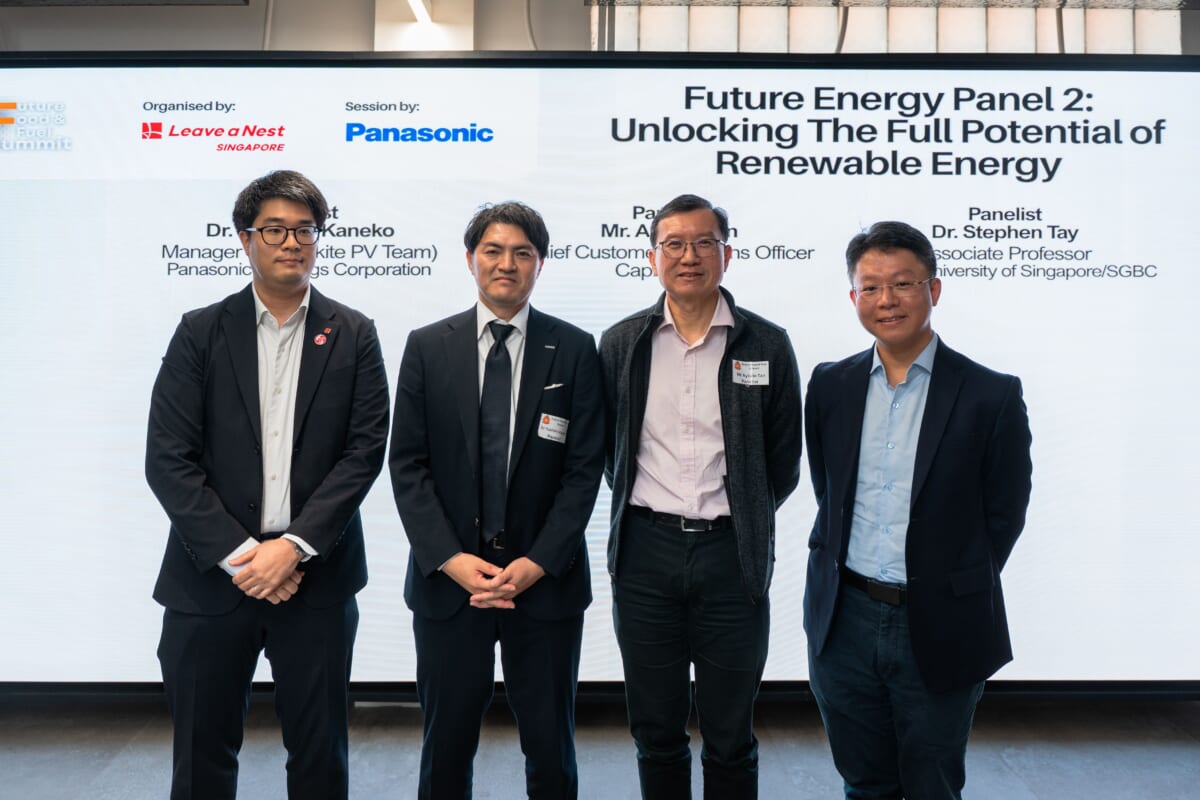
Renewable energy is often discussed in terms of how much clean electricity we can generate. But in cities where land and space are limited, a more fundamental question is emerging: how can renewable energy become part of the buildings and environments where people live and work?
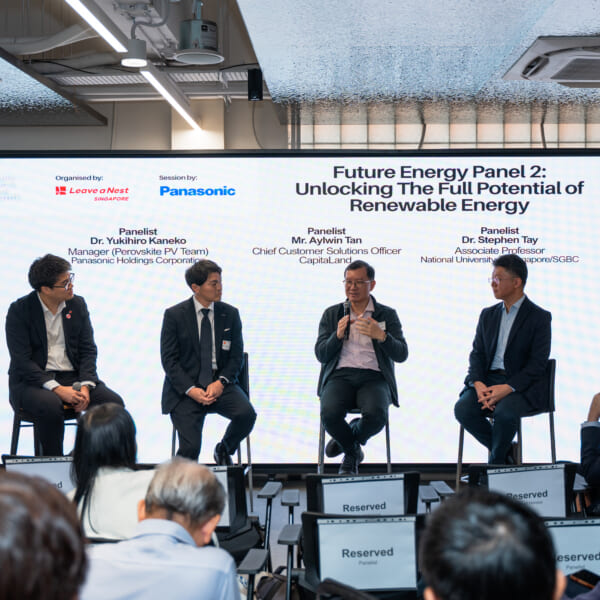
At the Future Food & Fuel Summit (FFFS) 2026 , the second Future Energy panel, “Unlocking the Full Potential of Renewable Energy,” brought together perspectives from green buildings, real estate development and technology to explore how renewable energy could transform the buildings around us.
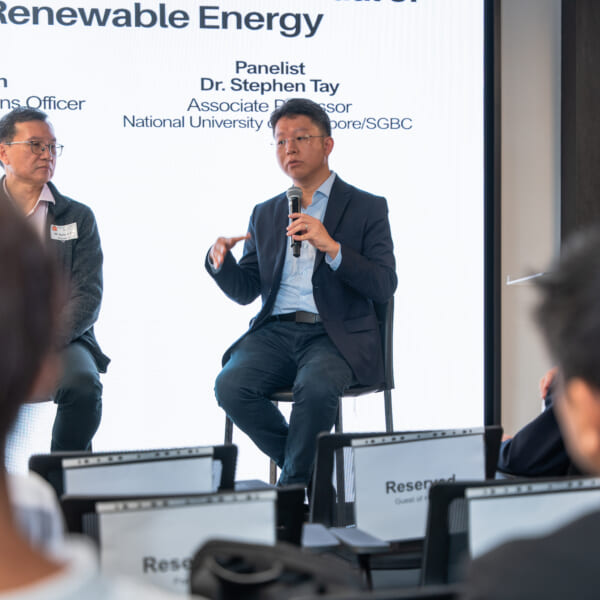
The discussion began with Singapore’s vision for greener buildings. Associate Professor Dr. Stephen Tay of the National University of Singapore and Singapore Green Building Council introduced Singapore’s Green Building Masterplan and the changing expectations for buildings in the city. The discussion also highlighted how limited urban space calls for new ways of thinking about the relationship between renewable energy and the built environment, including the potential to combine solar generation and greenery on rooftops.
The conversation then moved to the perspective of the building owner. Mr. Aylwin Tan of CapitaLand shared how building owners need to look beyond energy generation alone, considering also how buildings can reduce energy consumption and improve overall building performance. This raised a broader question of how renewable energy solutions can deliver value not only environmentally, but also operationally and economically.
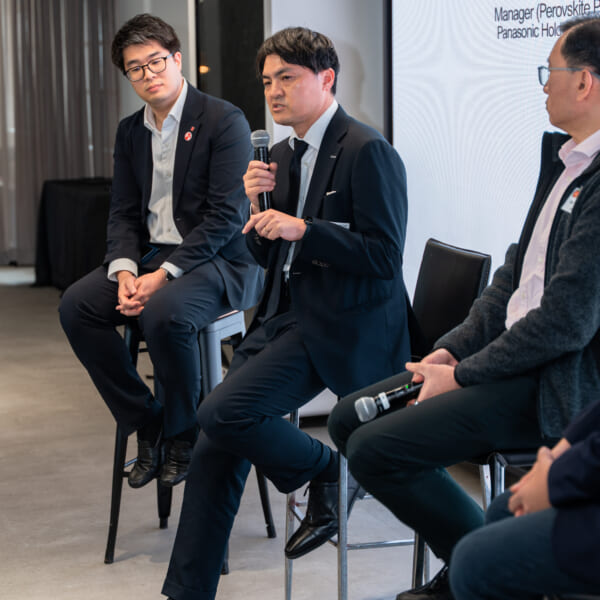
From the technology perspective, Mr. Yukihiro Kaneko of Panasonic Holdings Corporation introduced the possibilities of next-generation solar technologies, including photovoltaics and building-integrated applications. Rather than viewing BIPV simply as a new way to generate electricity, the discussion explored the possibility that integrating energy generation into the building itself could create new value and new roles for buildings.
Together, these perspectives opened a broader discussion about what future buildings could become. Buildings may not simply consume less energy or generate more energy; they could potentially become an active part of the wider energy system while interacting with greenery, surrounding infrastructure and the urban environment.
At the same time, the panel recognized that ideas that appear promising in discussion can prove much more difficult to implement in real buildings. Real-world demonstrations can reveal unexpected challenges across technology, cost, design, operations and other areas. Rather than seeing these challenges as a reason to stop, the panel emphasized the importance of testing, learning and figuring out how to implement what works.
This led to another important question: could Singapore serve as a sandbox or living laboratory for testing and refining new approaches to renewable-energy integration in buildings? By bringing together technology providers, building owners, researchers and ecosystem organizations, Singapore could provide a platform for moving from ideas to practical implementation.
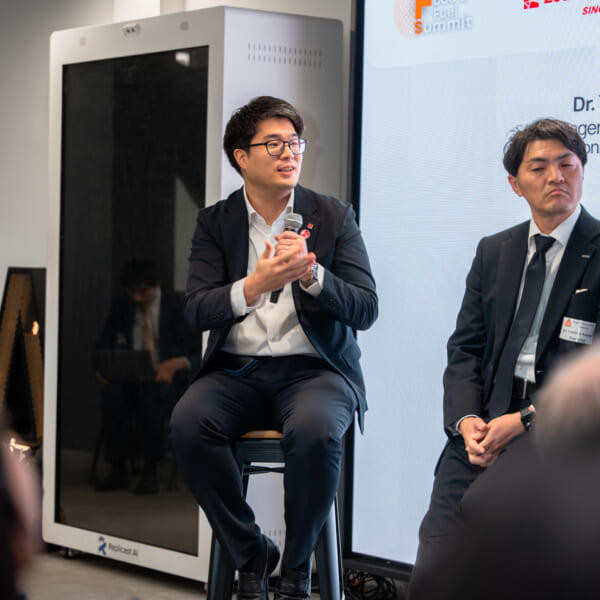
Finally, the discussion looked beyond Singapore to the potential for Japan–Singapore collaboration. Combining Japan’s technology capabilities with Singapore’s highly developed built environment and urban ecosystem could create opportunities to test, refine and deploy new solutions, with lessons that may ultimately be relevant to cities beyond Singapore.
By connecting technology, building performance, urban design and international collaboration, the panel explored how Singapore could become a place where the next generation of renewable-energy solutions is not only discussed, but tested and brought into the real world.