
Mission: Beat the Heat! Waseda Shibuya Students Become Taisei Junior Engineers for a Day
Imagine being tasked with designing a building that stays comfortable under Singapore’s tropical heat, without relying on electricity-powered cooling. Where would you begin?
On 22 October 2026, students at Waseda Shibuya Senior High School stepped into the shoes of Taisei Junior Engineers during a hands-on science workshop exploring the science of designing cooler buildings through a building heat management challenge, organised by Leave a Nest Singapore in collaboration with Taisei Corporation.
Armed with scientific principles and their own observations of the world around them, the students took on two engineering challenges centred on managing heat in buildings. Along the way, some surprisingly familiar experiences found their way into the students’ engineering discussions.
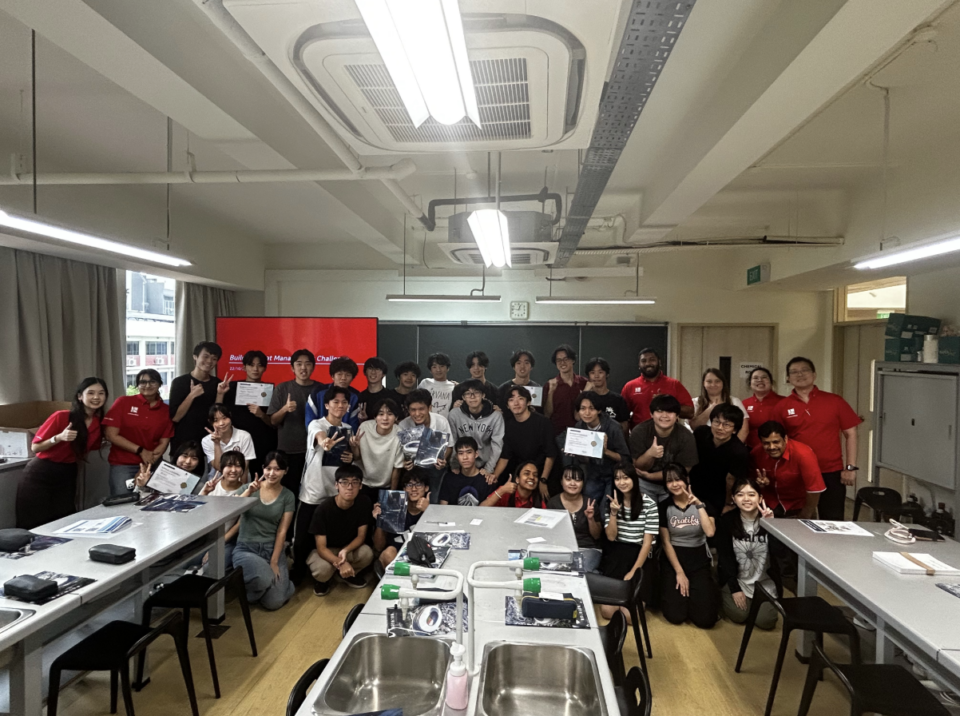
A Hot Problem to Solve
Taisei Corporation, a Japanese construction and civil engineering company, develops buildings and infrastructure that respond to the needs of people and their environment. Through its collaboration with Leave a Nest, Taisei has been exploring deep-rooted societal challenges and the emerging technologies that could help address them.
In Singapore, where high temperatures and humidity create a year-round demand for cooling, designing comfortable buildings while reducing energy consumption presents a particularly relevant challenge.
Bringing their industry perspective into the classroom, Taisei’s engineers introduced students to the considerations involved in building design, showing how scientific understanding and experimentation inform the decisions engineers make.
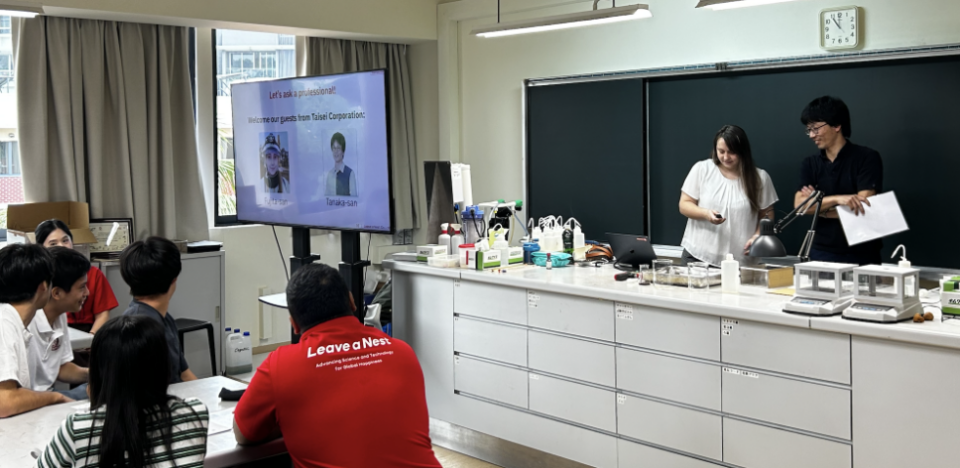
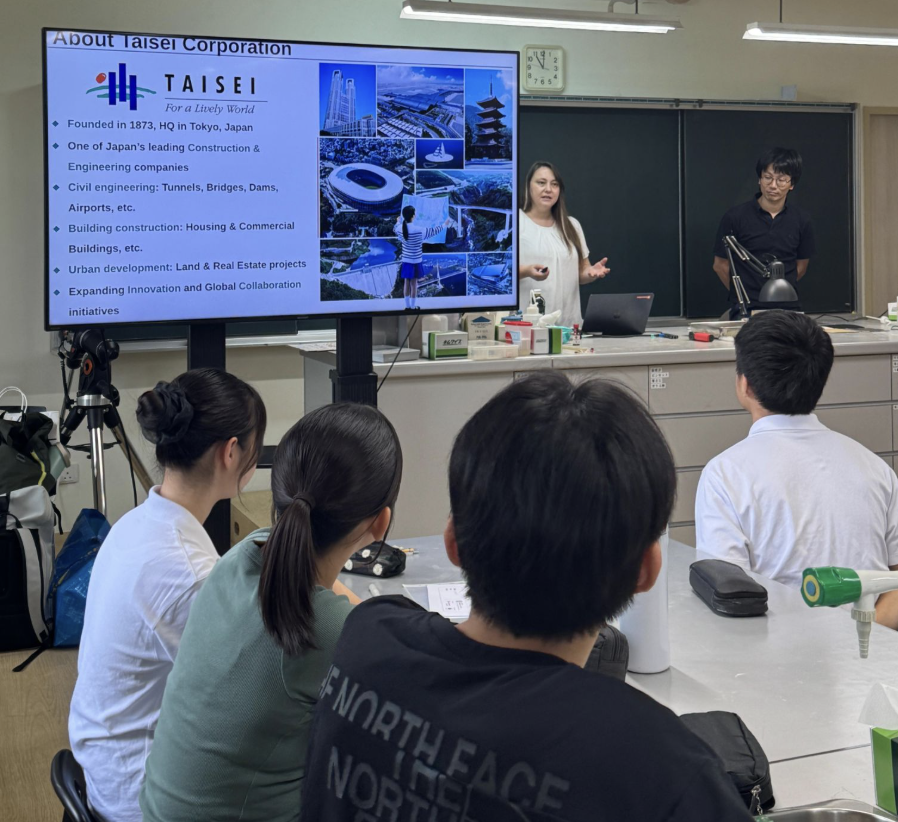
When Everyday Observations Become Scientific Clues
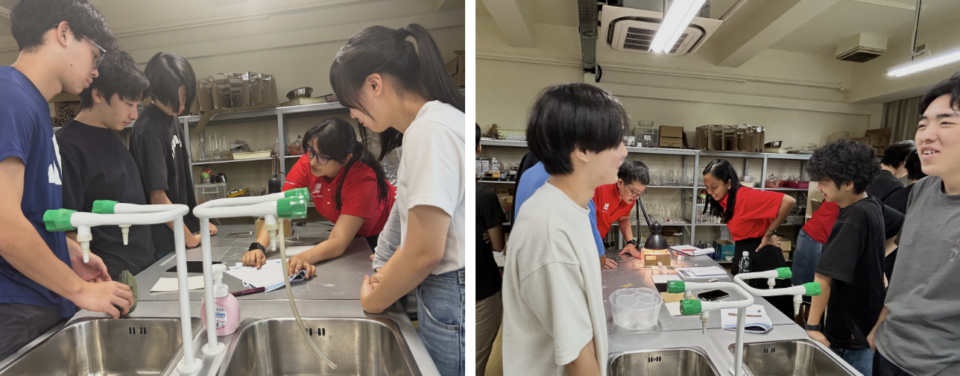
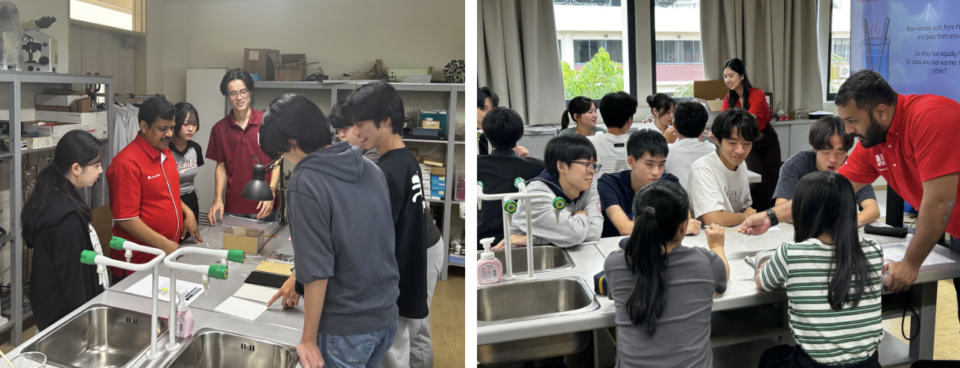
The workshop introduced students to conduction, radiation and convection before challenging them to apply these principles to managing heat in a model room.Throughout the challenges, students drew upon their own experiences and knowledge from other subjects to make sense of the scientific principles they had learnt.
In one group, a discussion about insulation led students to recall how cardboard is sometimes used by people sleeping outdoors to reduce heat loss. Later, when exploring airflow, students made connections to concepts they had encountered in Home Economics. These moments illustrated how students could draw on knowledge from different subjects and everyday experiences to reason through unfamiliar problems.
Working in teams, students discussed their ideas, tested their predictions and communicated their findings in English to their peers. Rather than simply identifying the best-performing design, they were encouraged to explain the scientific reasoning behind their choices and consider what their results revealed.
A Glimpse into the Engineer’s World
Throughout the workshop, Taisei’s engineers and Leave a Nest members supported students in exploring how scientific principles translate into practical decisions.
Much like engineers working on real buildings, students had to consider different possibilities, make decisions based on available information and evaluate their ideas through experimentation.
The experience complemented Waseda Shibuya’s emphasis on 自調自考, or independent inquiry and thinking, providing students with an opportunity to express their ideas, question assumptions and develop their understanding through discussion and evidence.
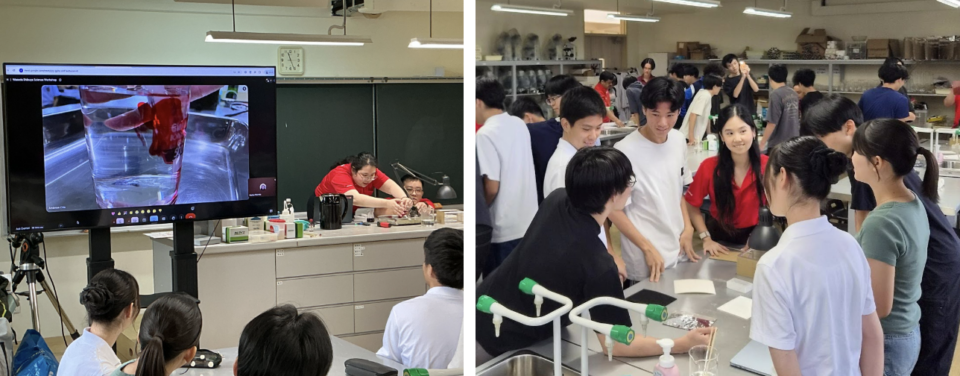
For Taisei and Leave a Nest, the workshop demonstrated how collaboration between industry and education can make science more tangible, connecting classroom knowledge with the challenges faced by society.
What began as a challenge to manage heat became an opportunity for students to discover how much of the world around them can be understood, questioned and explored through science.
Sometimes, the first step towards a new solution is simply learning to look at a familiar problem differently.
Collaborate with Leave a Nest Singapore
Leave a Nest Singapore works with schools, researchers and industry partners to develop hands-on science programmes that connect scientific knowledge with challenges faced by society. We welcome organisations interested in exploring similar educational collaborations.