
Deep Tech Tour 2026: Tech Planter Asia Final
CYBERJAYA, 28 August 2026 — Leave a Nest Malaysia successfully hosted the Deep Tech Tour (DTT) in conjunction with Tech Planter Asia Final 2026 from 26 to 28 August 2026, bringing a delegation of Japanese corporations and technology companies to Malaysia to explore opportunities for technological collaboration, market expansion, investment and innovation partnerships.
The three-day program provided the Japanese delegation with first-hand exposure to Malaysia’s technology, industrial and startup ecosystem through a series of company visits, technology presentations, startup engagements and business discussions. The delegation comprised representatives from Japanese companies including Sintokogio Ltd., Chuoh Consultants Co., Ltd., Dairei Industry Co., Ltd., Mishina Holdings, KYOCERA Corporation, Hokuryo Denko Co., Ltd., Eight Knot Inc. and TERAL Inc.
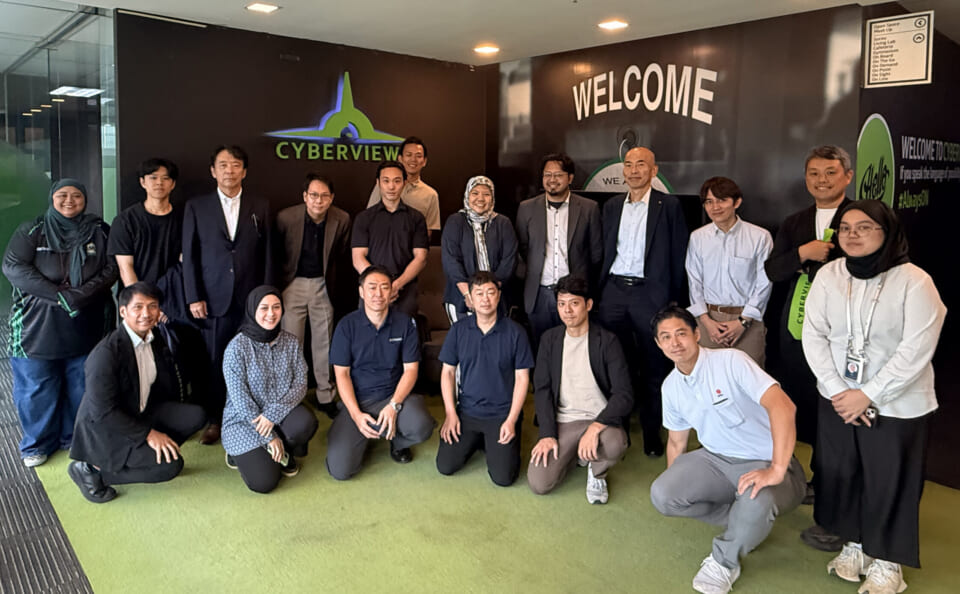
Japanese innovation meets Malaysia’s deep-tech ecosystem: A meaningful exchange at Cyberview as delegates explored new opportunities for technology collaboration, market access and innovation.
From Technology Exposure to Potential Collaboration
The program brought together the Japanese delegates with a diverse range of Malaysian ecosystem players, including Cyberview Sdn Bhd, Advanced Semiconductor Academy of Malaysia (ASEM), Center of Garage (COG) Malaysia, Alphaswift Industries, TrackerHero, MiNDnRobotics, IOI Properties Group and Midwest Composites.
At Cyberview, the delegation explored Malaysia’s technology ecosystem and Cyberjaya’s role as a technology hub and ecosystem-building platform. Discussions covered talent development, technology-friendly infrastructure, living laboratories and commercialisation support. Several Japanese technologies were introduced, including autonomous maritime navigation, smart agricultural water management, and AI- and LiDAR-based infrastructure solutions. Potential areas of collaboration included maritime pilot projects, smart irrigation deployment and road-safety applications.
The visit to ASEM provided the delegates with insights into Malaysia’s semiconductor ecosystem and its ambition to move towards higher-value activities such as IC design and advanced semiconductor technologies. Discussions involving Sintokogio, KYOCERA and TERAL explored possible technology validation, investment, customer matching and collaboration opportunities within Malaysia’s semiconductor ecosystem.
Connecting Japanese Technologies with Malaysian Industry Needs
At Alphaswift Industries, the Japanese companies presented technologies spanning force sensing, smart agriculture, autonomous maritime navigation and international business development. Discussions explored applications in drone manufacturing, robotics, aerospace, offshore inspection and smart agriculture, including the potential integration of autonomous maritime systems with aerial drone technologies.
Engagements with TrackerHero and MiNDnRobotics further demonstrated opportunities for technology localization in Malaysia. These included AI-powered monitoring, smart infrastructure, energy management, plantation connectivity, industrial automation and sensor integration. In particular, MiNDnRobotics introduced its CanopyNet platform, designed to support real-time monitoring and connectivity in remote plantation environments, addressing operational challenges within Malaysia’s palm oil sector.
The delegation also visited IOI Properties Group, where discussions explored technology adoption across plantation, manufacturing, renewable energy, circular economy and property development. Opportunities identified included smart-building systems, energy management, predictive maintenance, industrial process optimization and facility efficiency.
At Midwest Composites, the delegation explored sustainable composite materials developed from natural fibres and agricultural waste, with applications spanning mobility, construction, aerospace, automotive interiors, drones and urban products. Discussions focused on developing commercially viable applications and potential collaboration in technical development, manufacturing, recycling and joint R&D.
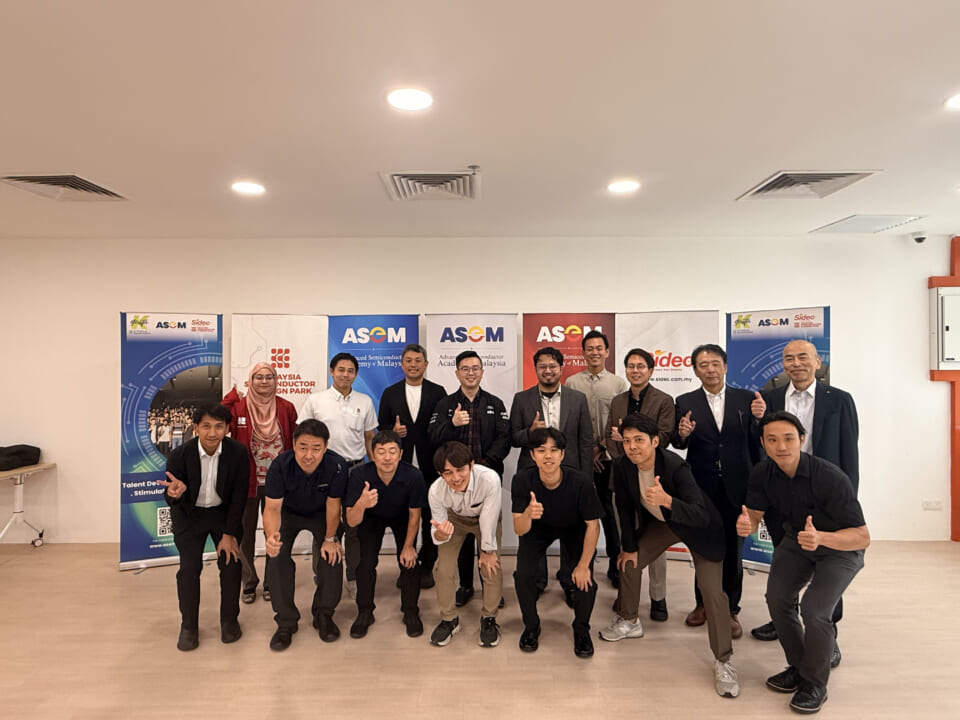
The Deep Tech Tour 2026 delegation with the Advanced Semiconductor Academy of Malaysia (ASEM), exploring Malaysia’s semiconductor ecosystem, talent development and opportunities for technology collaboration and investment.
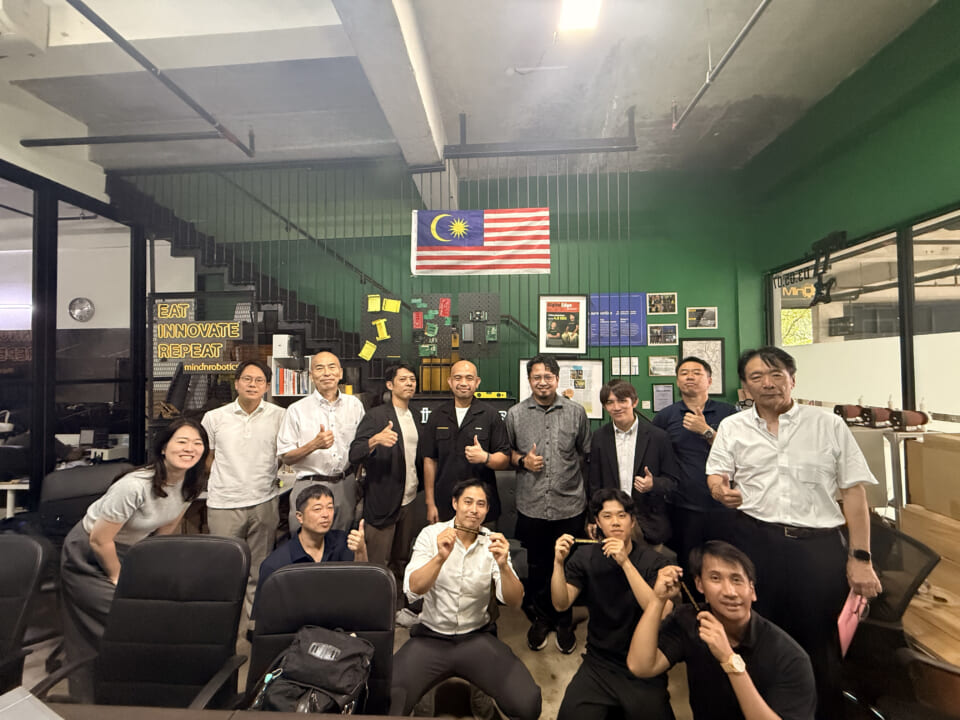
The Deep Tech Tour 2026 delegation with MiNDnRobotics, exchanging ideas on robotics, IoT, plantation digitalization, connectivity and technology localization for Malaysia’s agricultural sector.
Strengthening Cross-Border Deep-Tech Connections
A key component of the program was participation in the TECH PLANTER Asia Final 2026, held at Hive 5, MRANTI Innovation Park on 27 August. The event brought together 14 deep-tech startup and research teams from Japan, Malaysia, Singapore, Indonesia, Thailand, Vietnam and the Philippines, covering fields including food and healthcare, sustainability and energy, advanced materials, intelligent infrastructure and industrial digitalization.
For the visiting Japanese delegates, the event provided an opportunity to interact directly with emerging startups, researchers, investors, manufacturers and innovation leaders across Southeast Asia, complementing the company visits and providing a broader perspective of the region’s deep-tech landscape.
Building the Next Stage of Japan–Malaysia Collaboration
The program identified several concrete directions for continued collaboration, including pilot testing of autonomous maritime technologies, semiconductor and investment linkages, agricultural technology localization, industrial technology applications, smart infrastructure and sustainable materials development.
The experience also highlighted the importance of understanding local market conditions when introducing technologies into new markets. The Japanese delegates recognised Malaysia as a promising market while noting that customer needs, infrastructure priorities and market readiness can differ significantly across sectors. Malaysian companies were perceived as open and practical in exploring potential collaboration, while the local startup ecosystem was viewed as more mature than initially expected.
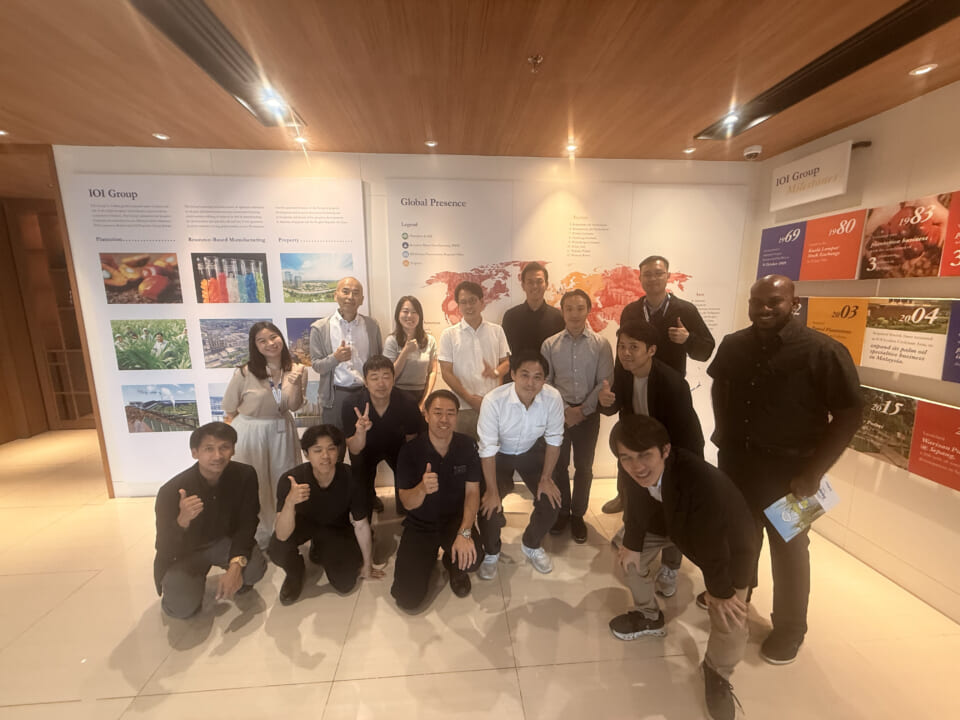
Exploring industry–technology collaboration for a more sustainable future.