
FFFS Future Food Panel 1 Release: Scaling Future Food Systems
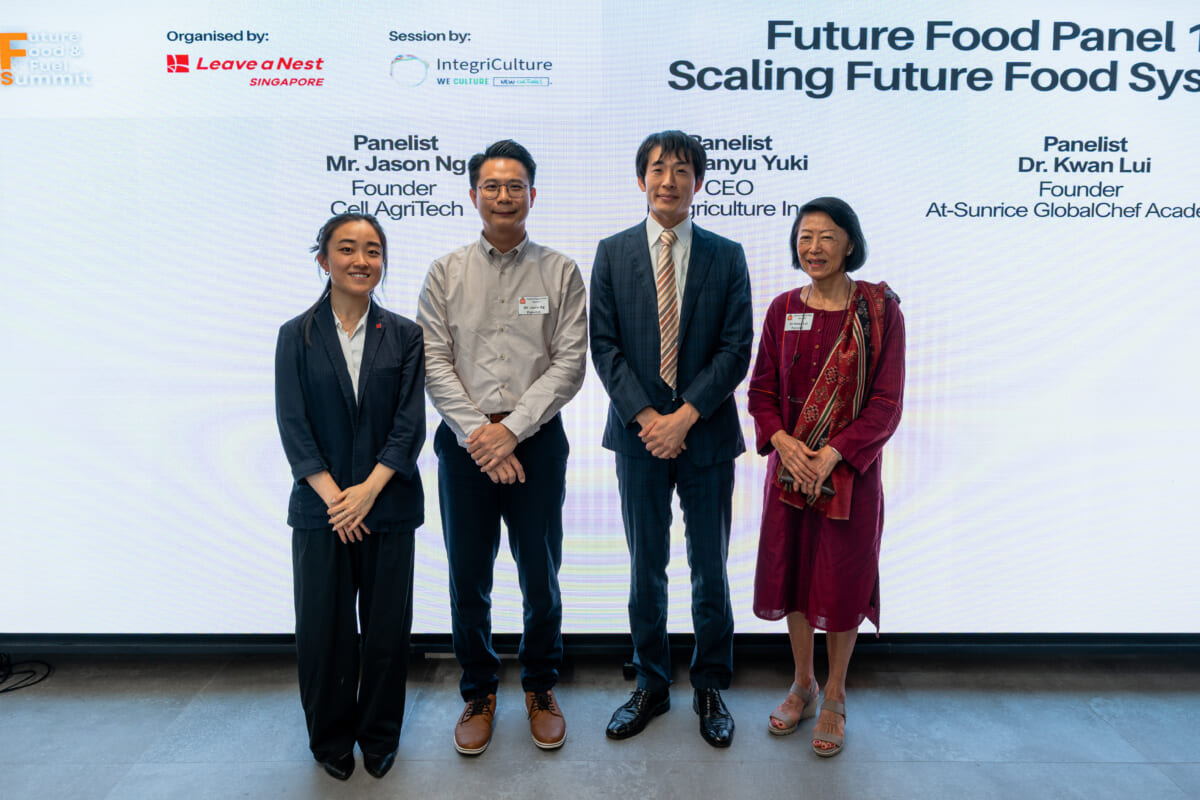
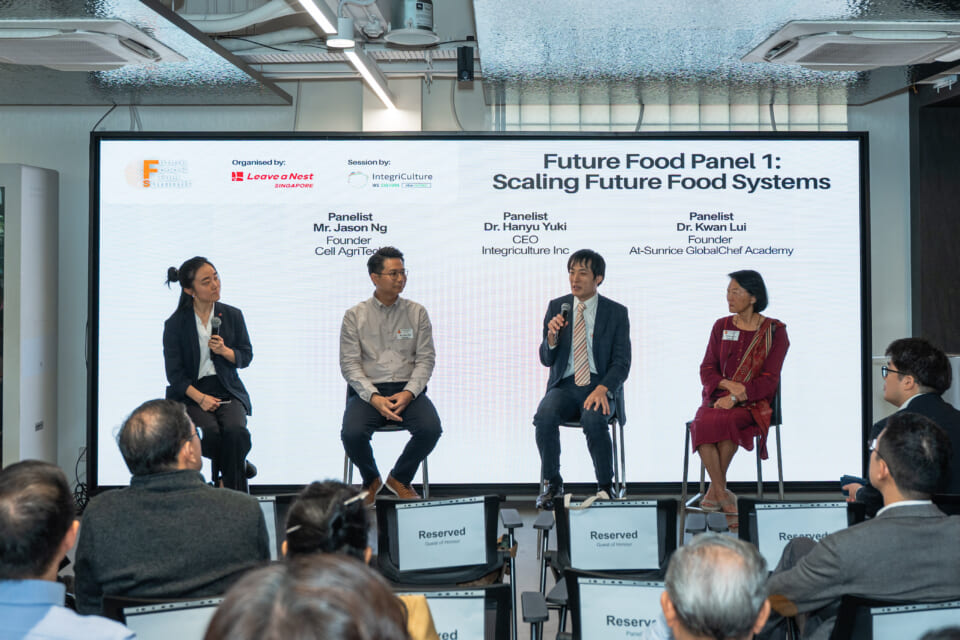
Singapore, October 2026 — At the Future Food & Fuel Summit (FFFS) 2026 , held on 2 October 2026 in Singapore, industry leaders gathered for a panel discussion titled “Scaling Future Food Systems” , exploring how emerging food technologies can move beyond laboratory innovation towards industrial scalability and consumer adoption.
Moderated by Haruka Sakurai of Leave a Nest Singapore , the session brought together three innovators representing different stages of the food innovation value chain:
- Mr. Yuki Hanyu , Representative Director & CEO, IntegriCulture Inc. (Japan)
- Mr. Jason Ng , Founder & Manufacturing Vice President, Cell AgriTech (Singapore/Malaysia)
- Dr. Kwan Lui , Founder, At-Sunrice GlobalChef Academy (Singapore)
The discussion highlighted how scientific innovation, manufacturing expertise, and culinary education can collectively shape the future of sustainable and nutritious food systems.
Expanding the Possibilities of Cultivated Food — IntegriCulture
Mr. Yuki Hanyu, CEO of IntegriCulture Inc., introduced the company’s work in developing accessible cell cultivation technologies for food and other applications. Through its cell cultivation platform, IntegriCulture aims to lower technological barriers and enable broader participation in cultivated food innovation.
Hanyu highlighted that cultivated food offers possibilities far beyond replicating conventional meat. Cell cultivation could enable the exploration of previously underutilised proteins, such as horse kidney, or the creation of entirely new nutritional and sensory experiences, such as chicken meat enhanced with layers of fish fat.
To unlock these possibilities, Hanyu emphasized the importance of experimentation and community participation. Through the Shojinmeat Project, an engaging initiative people from diverse backgrounds, including secondary school students, IntegriCulture has encouraged the public to explore cell cultivation technologies.
His perspective demonstrated that education and open experimentation are essential not only for technological breakthroughs, but also for building familiarity and acceptance among future consumers.
Applying Manufacturing Expertise to Scale Cultivated Food — Cell AgriTech
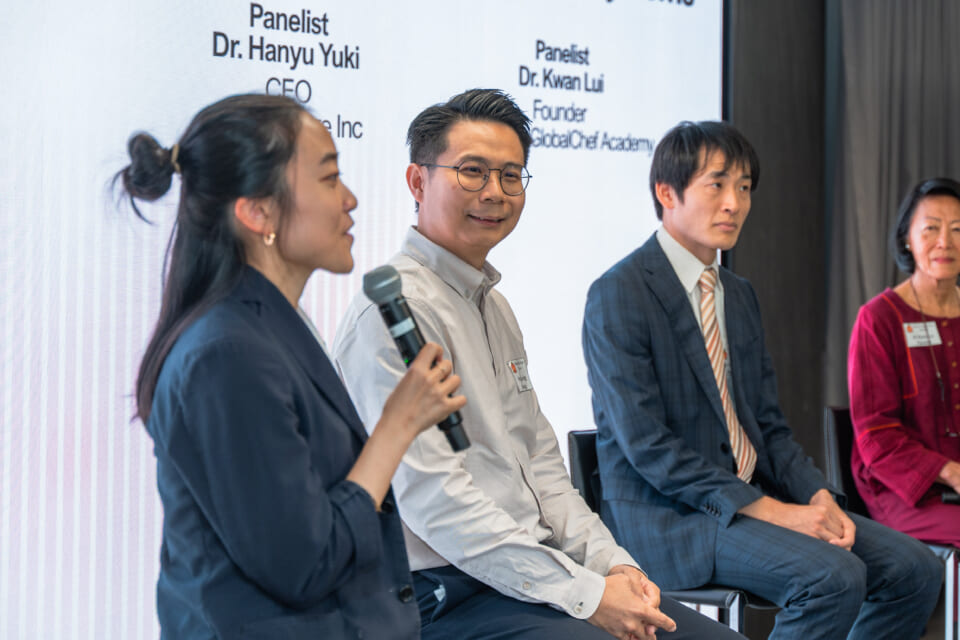
Mr. Jason Ng, Founder & Manufacturing Vice President of Cell AgriTech, shared the company’s approach to bridging the gap between laboratory research and industrial production. As a contract development and manufacturing organisation (CDMO), Cell AgriTech supports the scale-up of cultivated food technologies through bioreactor development and manufacturing infrastructure.
Ng explained how the company’s expertise originated from a family business specialising in sheet metal manufacturing. By applying established engineering and fabrication capabilities to bioreactor production, Cell AgriTech aims to reduce equipment costs, one of the key barriers to commercialising cultivated food.
Looking ahead, Ng envisioned a future where bioreactors could become commonplace in restaurants, much like brewing equipment, enabling food to be cultivated closer to where it is consumed.
His perspective highlighted the important role of traditional manufacturing industries in making emerging food technologies more affordable, accessible, and scalable.
Bringing Future Food to the Plate — At-Sunrice GlobalChef Academy
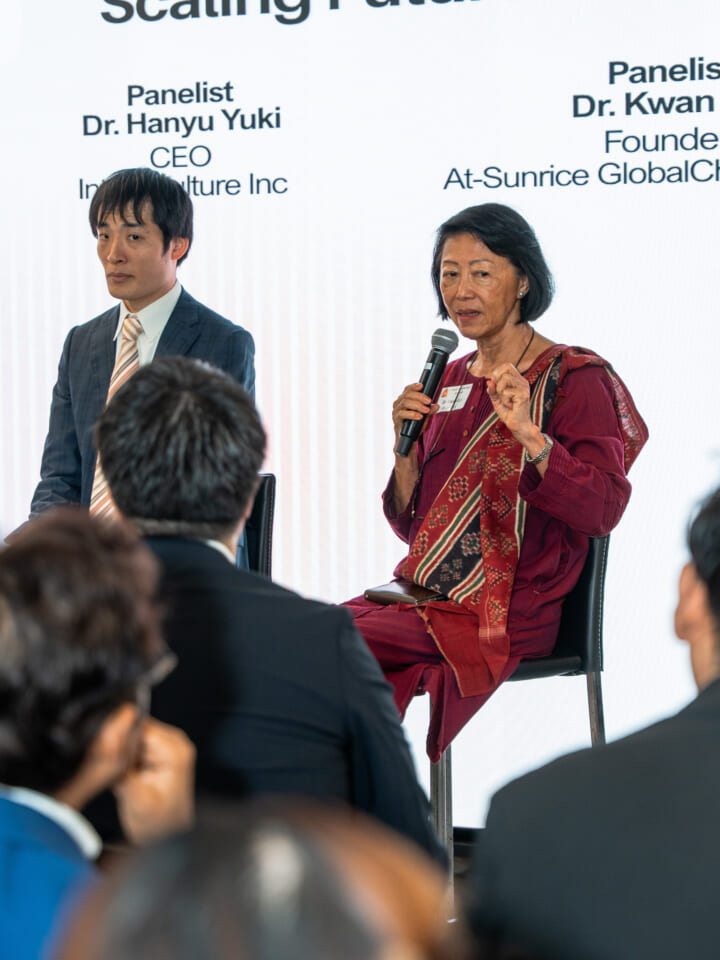
Dr. Kwan Lui, Founder of At-Sunrice GlobalChef Academy, brought the perspective of culinary innovation and education, highlighting that the future of food extends beyond new production technologies to how we prepare, experience, and nourish ourselves through food.
Drawing on At-Sunrice’s experience in culinary education, Dr. Lui emphasised the importance of equipping chefs with the knowledge and creativity to embrace emerging food technologies. Just as kitchen practices have evolved with innovations ranging from microwave ovens to air fryers, culinary professionals must continue to experiment with new ingredients, techniques, and technologies to shape the next generation of food experiences.
Dr. Lui also highlighted food waste valorisation as an essential dimension of future food innovation. Through initiatives such as WellSpent Upcycling, At-Sunrice explores how underutilised food resources and by-products can be transformed into nutritious and valuable culinary products, demonstrating that innovation is not only about producing new foods, but also about making better use of what we already have.
Guided by the philosophy of “Tasty, Gutsy and Worldly,” she reinforced that the future of food must go beyond technological advancement and sustainability to deliver food that is delicious, nourishing, and culturally meaningful.
Building an Integrated Future Food Ecosystem
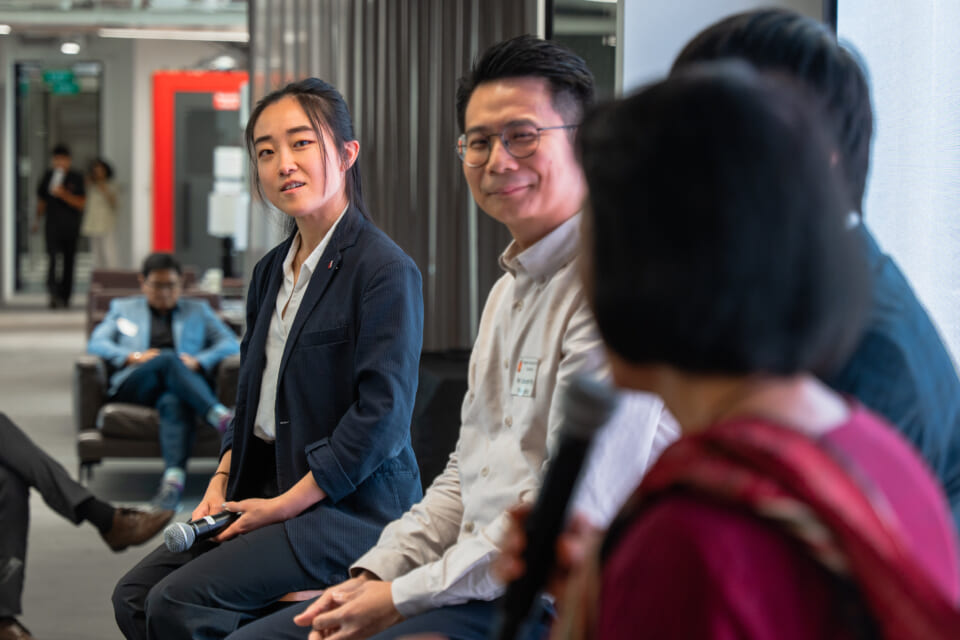
Across the three perspectives, a common message emerged: scaling future food technologies requires more than scientific breakthroughs alone.
IntegriCulture highlighted the importance of experimentation and public engagement in unlocking new possibilities for future food. Cell AgriTech demonstrated how established manufacturing expertise can enable affordable and scalable production. At-Sunrice reinforced the essential role of culinary education, consumer acceptance, and resource circularity in shaping the future food system.
Together, the discussion illustrated that innovation can emerge at every stage, from students experimenting with cell cultivation and manufacturers adapting existing technologies to chefs discovering new culinary applications.
Ultimately, the future of food will be shaped not only by what we can produce, but by how we experiment, collaborate, and transform innovation into food that is accessible, nutritious, and desirable for society.
About the Future Food & Fuel Summit 2026
The Future Food & Fuel Summit 2026 was organized by Leave a Nest Singapore , together with the Embassy of Japan in Singapore , as part of the Singapore–Japan 60th Anniversary (SJ60) commemorative initiatives.
Held on 2 October 2026 in Singapore, the summit brought together stakeholders from industry, government, academia, and the deep technology ecosystem to explore opportunities for advancing sustainable food and energy systems through international