
FFFS Singapore–Japan Strategic Roundtable Release: Building a Resilient Future Through Food and Energy Security
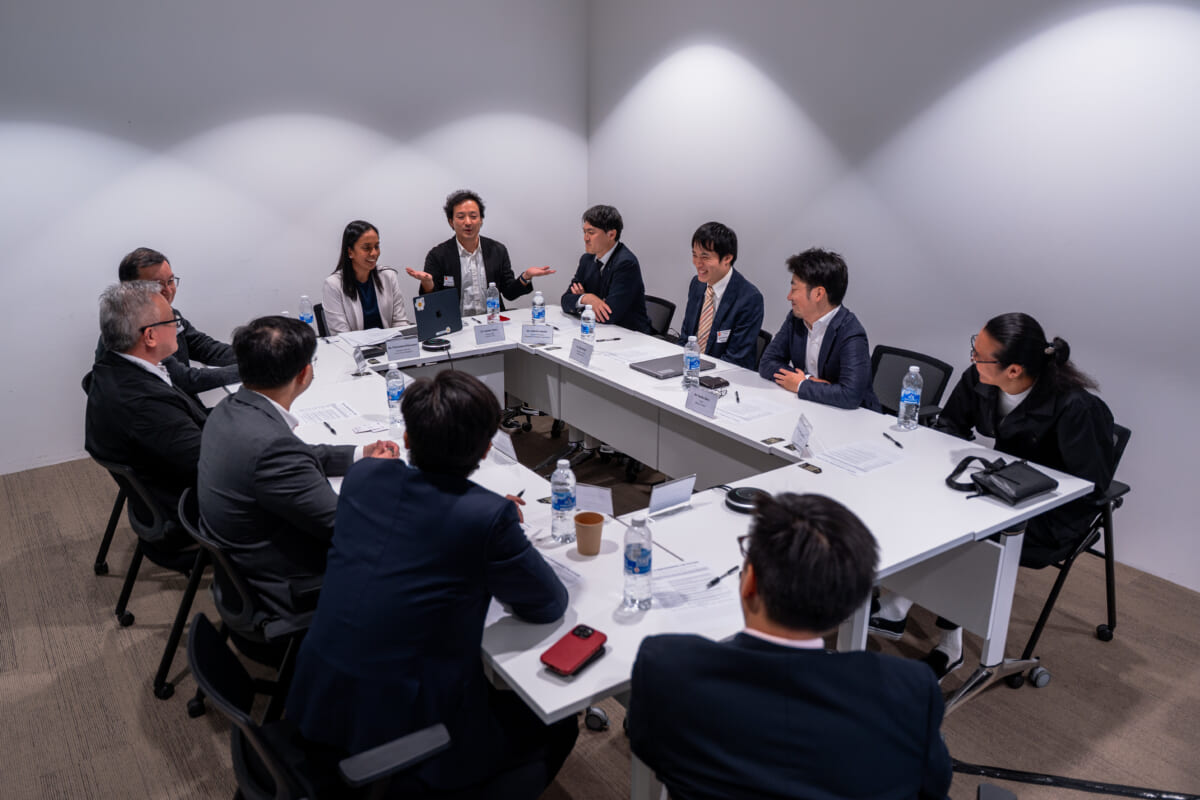
Singapore, 2 October 2026 – Leaders from Singapore and Japan across food, energy, infrastructure, finance and deep technology came together at the Future Food & Fuel Summit (FFFS) 2026 to explore new approaches to strengthening food and energy resilience while accelerating cross-border innovation between the two countries. A key component of the summit was the Singapore–Japan Strategic Roundtable, which brought together senior representatives from organizations spanning food technology, energy, infrastructure and finance.
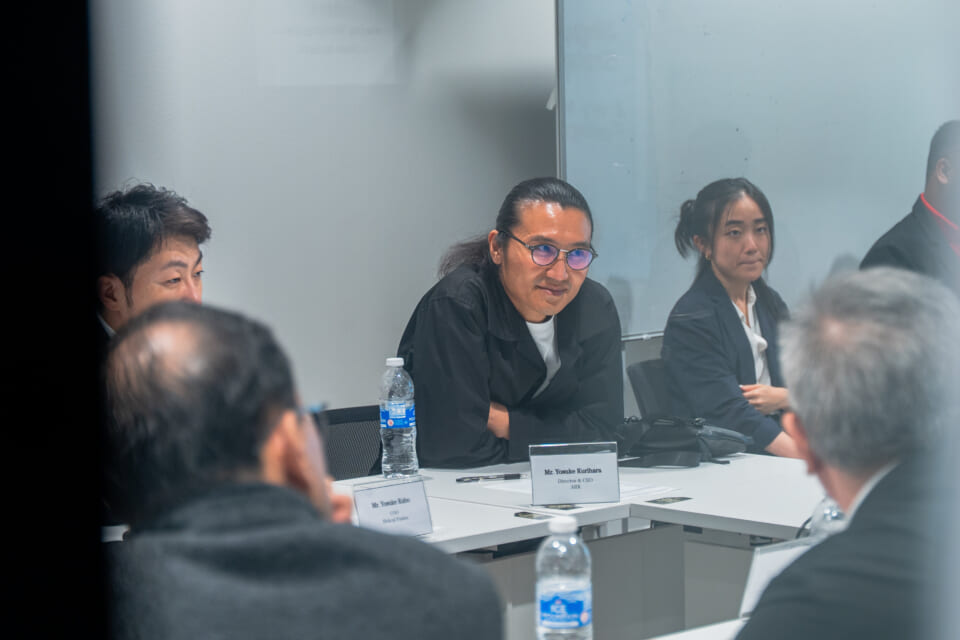
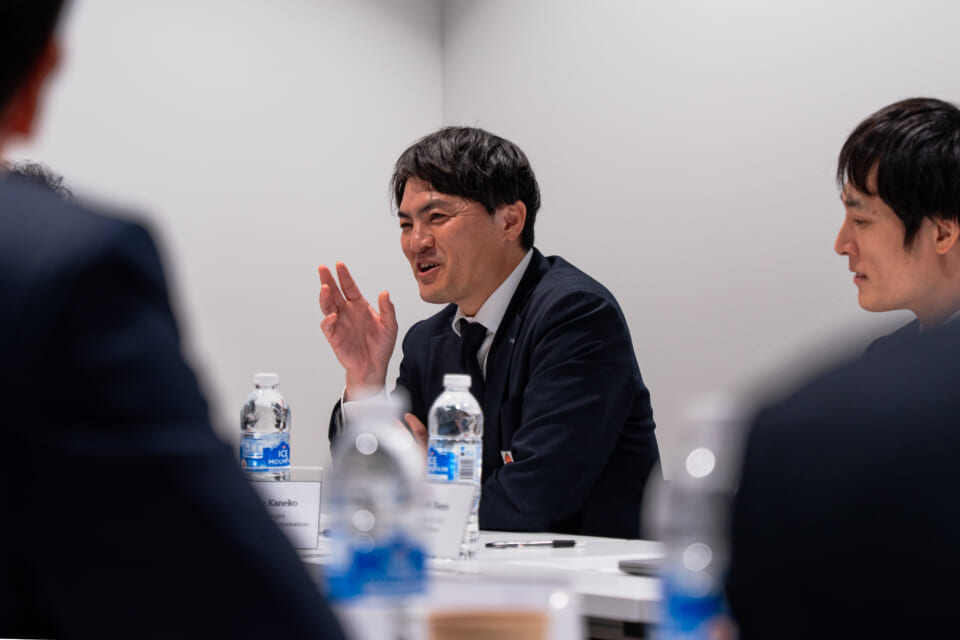
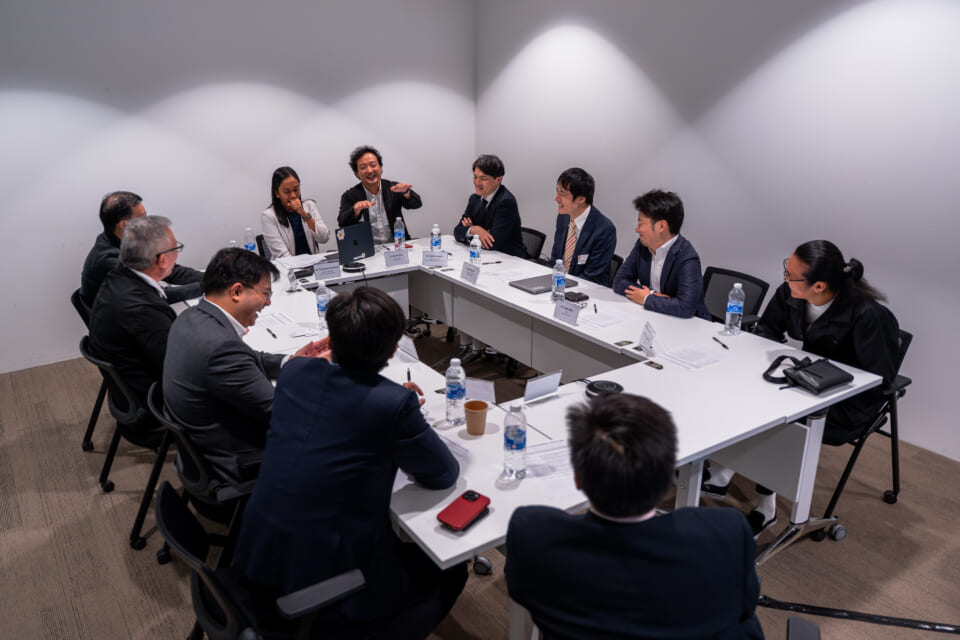
As part of the Future Food & Fuel Summit 2026, the Singapore–Japan Strategic Roundtable brought together senior leaders from both countries. Participants included Mr. Yosuke Kurihara (ARK), Dr. Yuki Hanyu (IntegriCulture), Mr. Yukihiro Kaneko (Panasonic Holdings Corporation), Mr. Yosuke Kubo (Helical Fusion), Mr. Dennis Wee (Keppel Data Centers & Networks), Mr. Aylwin Tan (CapitaLand), Mr. Jonathan Ne Win (MUFG), Mr. JY Chow (TPC Octave Capital) and Mr. Matthew Chew (HY Consultancy).
Co-moderated by Leave a Nest Group CEO Mr. Yukihiro Maru and Leave a Nest Singapore’s Ms. Priyavadana Meyyappan, the semi-closed dialogue explored shared challenges in food and energy security, opportunities for Singapore–Japan collaboration, and pathways to translate emerging technologies into practical deployment and long-term resilience.
Connecting Food and Energy Security
One of the central themes emerging from the roundtable was the increasingly interconnected nature of food and energy security. Participants reflected on Singapore’s experience in strengthening domestic food production following disruptions during the COVID-19 pandemic. While technologies such as indoor farming offer new possibilities for local production, rising electricity costs and the energy intensity of controlled-environment agriculture have demonstrated that food resilience cannot be independently addressed of energy.
The discussion also highlighted the importance of regional sourcing, strategic reserves and cold-chain infrastructure. Participants explored opportunities to make future food systems more energy-efficient, including the potential utilization of cold energy from Liquefied Natural Gas (LNG) infrastructure for applications such as cold storage.
Japan faces a different but complementary challenge. An aging agricultural workforce, declining numbers of farmers and fishermen, and continued dependence on food imports are driving interest in new production models. discussed how traditional agriculture and fisheries could increasingly be complemented by technologies such as land-based aquaculture, cellular agriculture and circular approaches that utilise food-industry by-products.
Greater Building Risk Tolerance in Deep Tech
Beyond infrastructure and technology, participants identified talent and risk tolerance as critical to building stronger innovation ecosystems. The roundtable discussed the growing interest among young talent in entrepreneurship and deep technology, while acknowledging that researchers and technical founders often face challenges in commercialisation, business development and international expansion.
Mentorship was identified as one of the most immediately actionable opportunities for Singapore and Japan. By connecting young researchers and entrepreneurs with experienced founders, corporate leaders, investors and industry specialists, both ecosystems could help emerging entrepreneurs navigate early mistakes while building greater confidence to experiment. Participants also highlighted the importance of reframing failure, not simply as the end of an entrepreneurial attempt, but as experience that can be transferred into subsequent ventures and innovations.
Addressing the Early-Stage Funding Gap
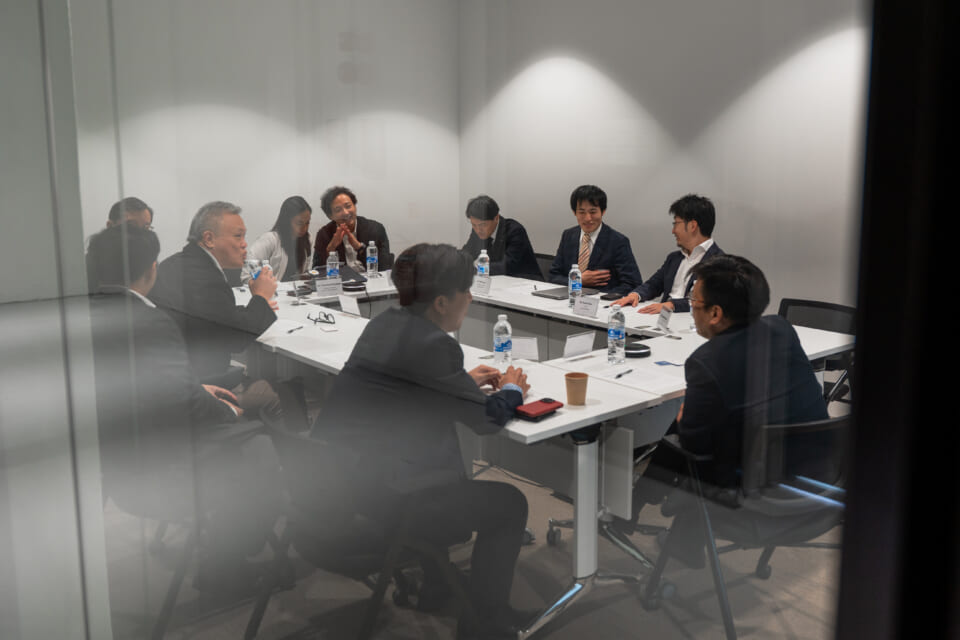
Financing emerged as another important area for future collaboration. While substantial capital is available for large-scale infrastructure projects and more mature companies, participants highlighted a potential gap at the pre-seed and early commercialization stages, particularly for technologies emerging from universities. One possibility raised during the discussion was the development of targeted Singapore–Japan funding mechanisms that could provide smaller amounts of capital to test multiple early-stage ideas in strategic sectors such as food, energy and deep technology. Such mechanisms could complement existing venture and government funding by enabling technologies to demonstrate their commercial potential before progressing towards larger investments.
Singapore and Japan as Cross-Border Validation Markets
It was also discussed how Singapore and Japan could provide complementary environments for technology validation. Singapore’s compact market, strong research ecosystem and position within Southeast Asia provide opportunities for Japanese companies to test technologies before wider regional expansion. At the same time, Japan offers Singapore-based companies access to significant industrial capabilities, research expertise and a larger domestic market . Subsequently expanded into wider Asian markets where appropriate.
From 60 Years of Trust to the Next 60 Years of Collaboration
The Strategic Roundtable concluded with participants identifying opportunities for continued Singapore–Japan cooperation across food security, energy, financing, mentorship and deep-tech commercialization. Rather than attempting to solve these challenges independently, the discussion pointed towards a shared approach: start with focused experiments, combine complementary strengths and scale solutions that demonstrate impact.
Through FFFS 2026, Leave a Nest Singapore aims to continue building a platform where government, industry, researchers, startups and financial institutions can move beyond dialogue towards tangible collaborations. As Singapore and Japan commemorate 60 years of diplomatic relations, the Summit marked an opportunity not only to reflect on the relationship built between both countries, but to begin identifying what they can build together over the next 60 years.
Contact
Priyavadana Meyyappan
Project Leader, Future Food and Fuel Summit 2026
Leave a Nest Singapore Pte. Ltd.
Email: [email protected]