
HIC Singapore Panel 2 Release: Designing Healthcare Between Appointments
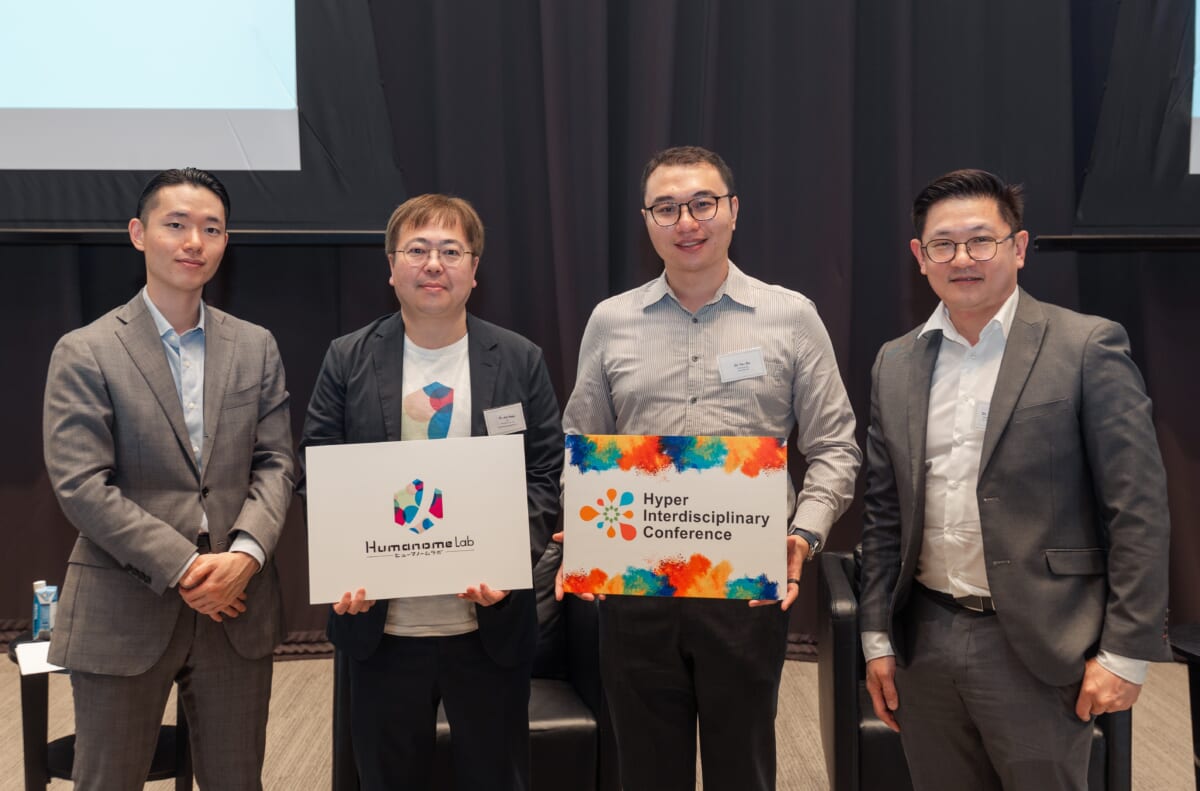
Healthcare is often organised around clinic appointments, while many changes in a person’s health unfold between visits. At Hyper Interdisciplinary Conference Singapore 2026, the panel “Designing Healthcare Between Appointments” explored how data from daily life, wearable technologies, and AI could support more continuous, personalised care.
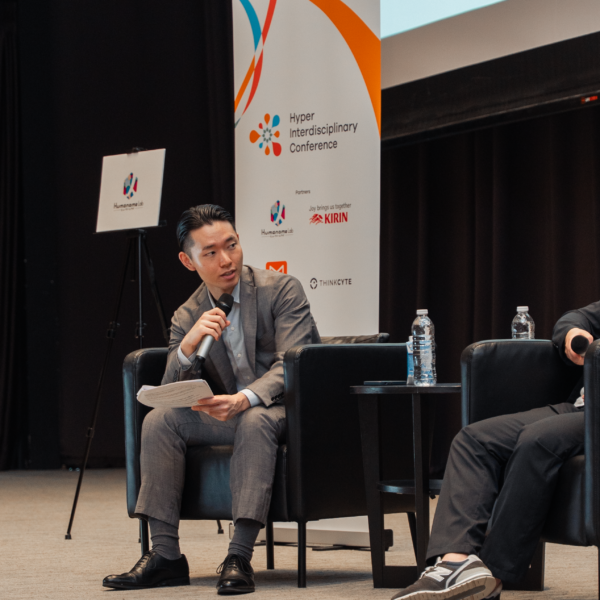
Moderated by Koki Mandai from Leave a Nest Singapore, the panel brought together Dr. Jun Sese, CEO of Humanome Lab; Dr. Yao Du, Chief Scientist at Actxa; and Dr. Yew Kuo Chao, Senior Consultant in Gastroenterology and Hepatology at Tan Tock Seng Hospital. Their perspectives connected human data science, wearable health analytics, and clinical practice.
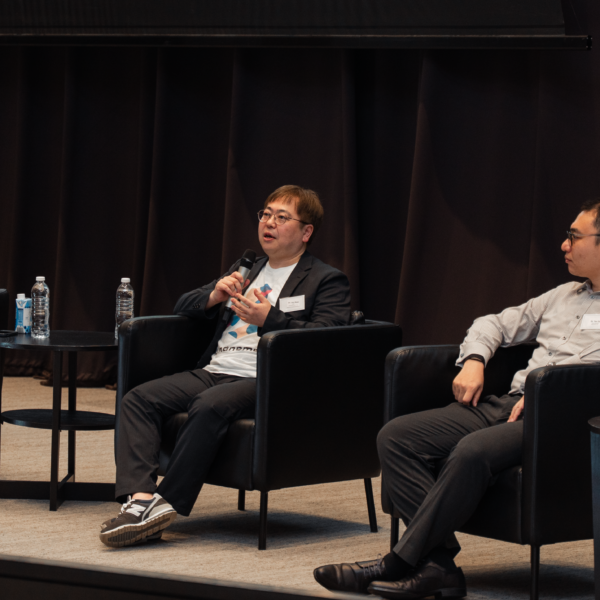
Dr. Jun Sese’s perspective focused on how everyday health data can be utilised when interpreted alongside a person’s circumstances and patterns over time. Humanome Lab’s work with women affected by cancer and cancer survivors offers one example: activity, sleep, daily experiences, and social connections can all contribute to a broader understanding of wellbeing beyond what may be captured during an appointment. As a guest from Japan, he also commented on the international collaboration potential between Japan and Singapore, when it comes to developing health related data tools/products.
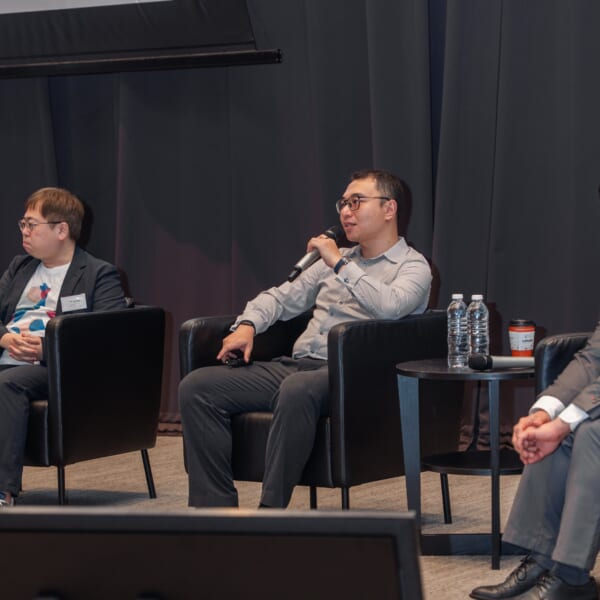
Dr. Yao Du’s contribution centred on how wearable signals can be translated into insights people can understand and use. Actxa’s wearable rings and bands, for example, illustrates this approach by providing an estimated glucose insight for general wellness awareness. It also raises an important design question: how can a tool make information clear and relevant while communicating what an estimate can (and cannot) tell the user? Questions on usability of the wearable tools and how it can be integrated into the daily lives of the users without unnecessary stress was also brought up as a major topic.
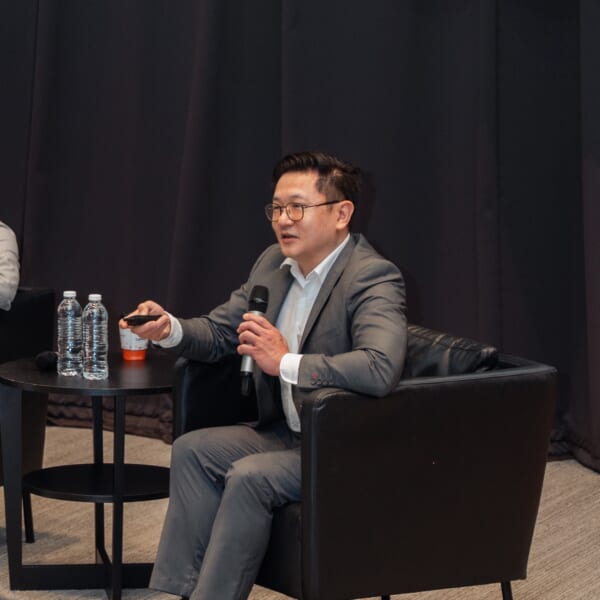
Dr. Yew Kuo Chao introduced the panel a perspective from the clinical field, focusing on how data and AI can fit into real care pathways. Using examples from his expertise in Gastroenterology and Hepatology, he reminded the audience the importance of not only the technical aspect when it comes to adoption of tools/methods, but also how the society interacts with these tools/methods to be implemented in the lives of the people. He also mentioned several points on who reviews the information, when follow-up is needed, and how new tools can be integrated into clinical workflows considering all of the above.
Across the session, the discussion followed the journey from data collection to personalised insight and clinical action. It considered the need to interpret signals in context, make insights understandable, support sustained engagement (or rather, reduce adoption stress), and ensure that information reaching care teams has a clear response pathway that is not obstructed by factors such as costs and user implementation.
Moving toward continuous care involves more than collecting data outside the clinic. It requires connecting relevant information to insights people can trust and actions healthcare teams can deliver. Bringing data science, wearable technology, and clinical practice into the same conversation helped frame the collaboration needed to advance that goal.