
Selected for METI’s “Tobidase Japan!” Program: Pilot Science Workshop Launched in Vietnam
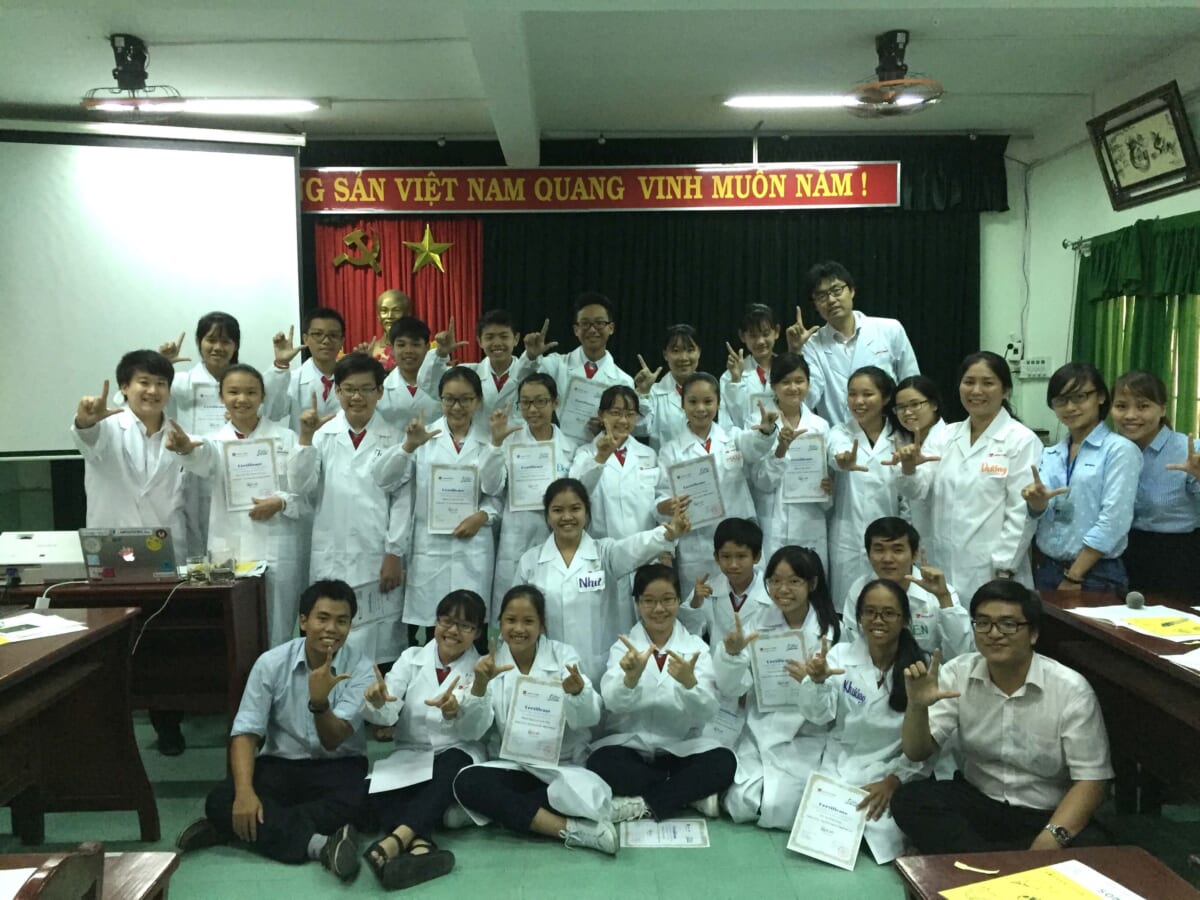
In 2016, Leave a Nest Co., Ltd. was selected for the “Tobidase Japan! Support Program for Expansion into Global Growth Markets,” an initiative supported by Japan’s Ministry of Economy, Trade and Industry (METI) under its Subsidy for Technology Cooperation and Emerging Market Development Projects.
Through this initiative, Leave a Nest began developing science education programs for children in Vietnam. Working with its local partner, Selfwing Vietnam, the team conducted pilot science workshops at a kindergarten, primary school, and secondary school in Da Nang.
These workshops marked the beginning of Leave a Nest’s activities in Vietnam and laid the foundation for its continuing efforts to nurture the next generation and advance science and technology in the country.
Workshops at Tay Son Secondary School
Experiencing Scientific Research: The Enzymatic Bioluminescence of Fireflies
Date: October 28, 2016
Duration: Two hours
Participants: 20 Grade 8 students
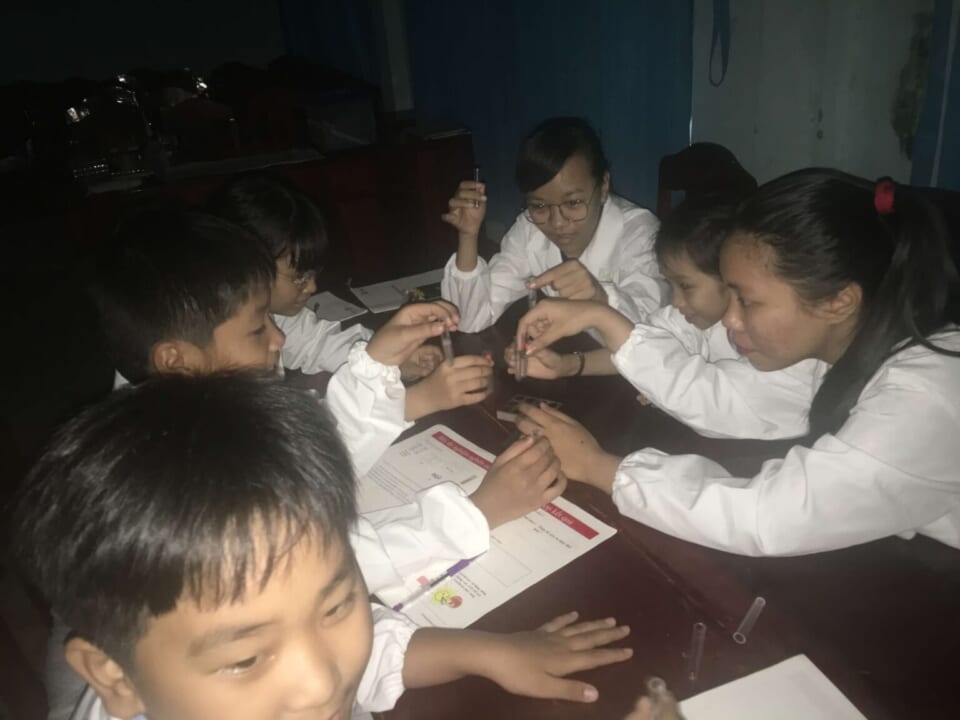
After learning how fireflies produce light, the students conducted a bioluminescence experiment using luciferin—the light-emitting compound found in fireflies—together with ATP as an energy source and luciferase as the enzyme that drives the reaction.
The students then developed hypotheses about how different temperatures might affect the reaction, tested their ideas through experiments, and discussed the results. Through this process, they experienced the fundamental stages of scientific research: forming a hypothesis, conducting an experiment, and interpreting the findings.
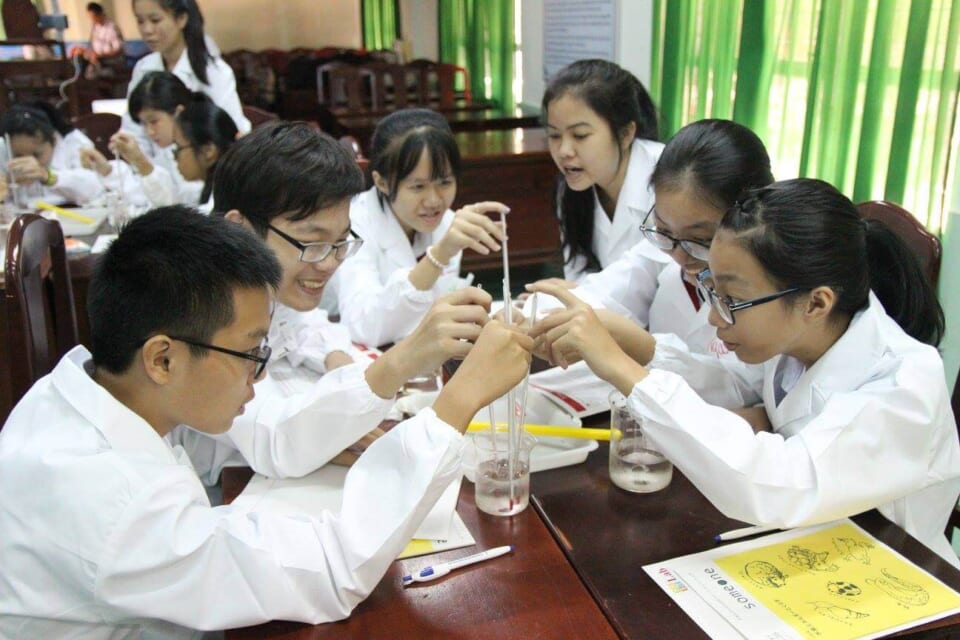
Photo by Manh Phan
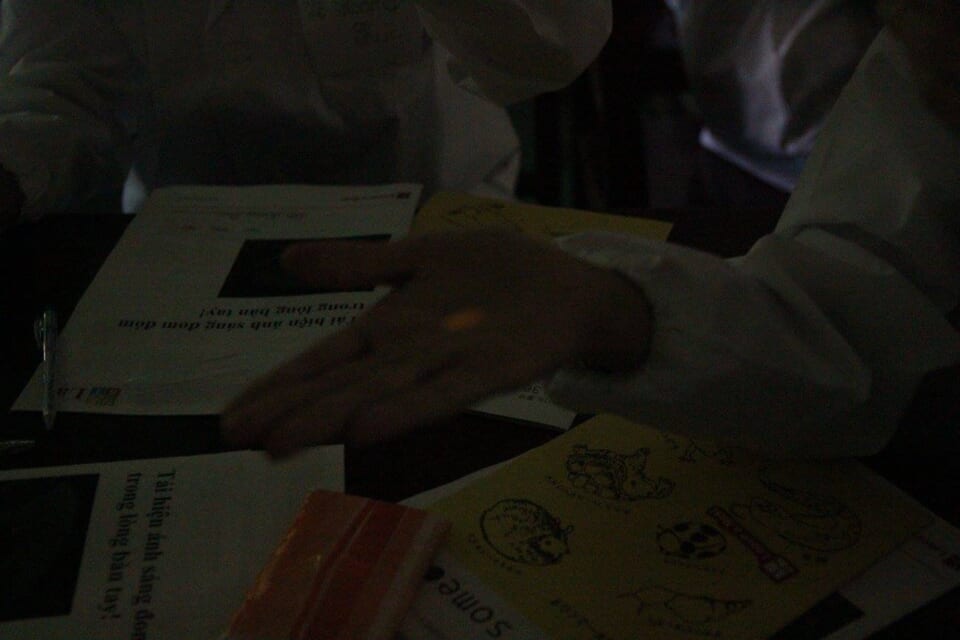
Photo by Manh Phan
Building a Wind-Powered Generator
Date: October 28, 2016
Duration: Two hours
Participants: 20 Grade 7 students
At the time of the program, securing a stable domestic energy supply was a major challenge for Vietnam. With continued economic growth expected, the students were encouraged to consider how electricity could be generated while minimizing environmental impact.
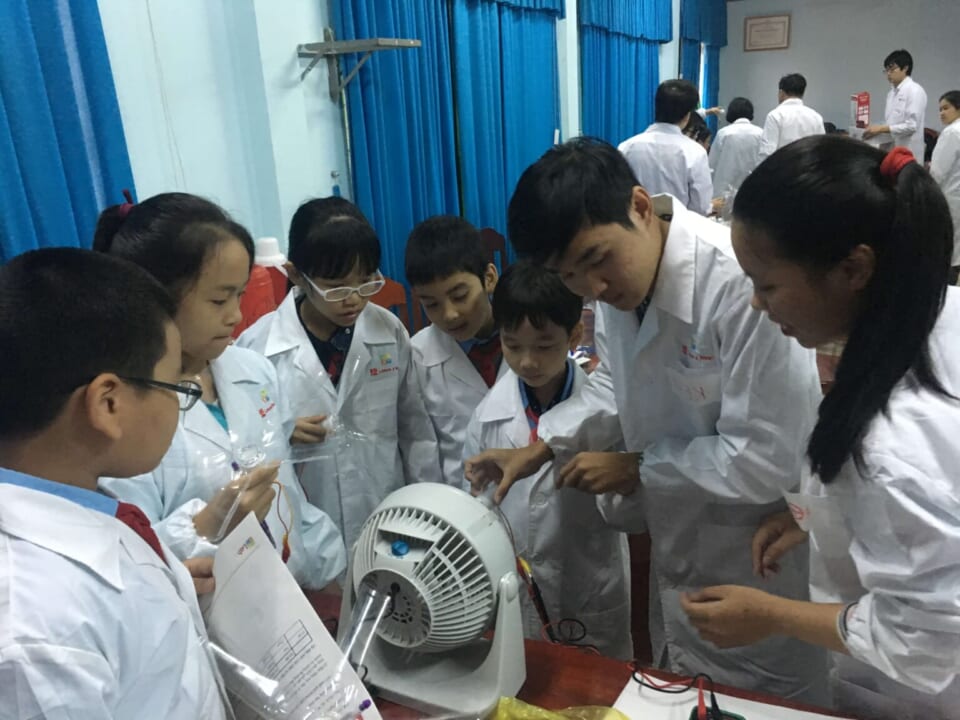
Using wind power as an example of renewable energy, the students designed and built their own propellers. By experimenting with different shapes and structures, they learned the basic principles of wind power generation and experienced the research and development process of identifying the most effective design.
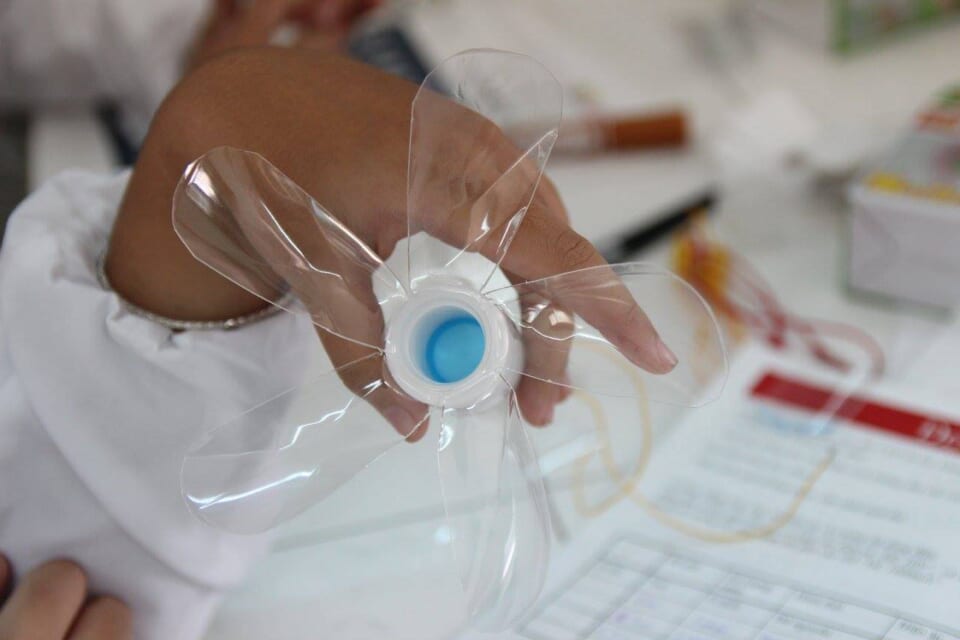
Photo by Manh Phan
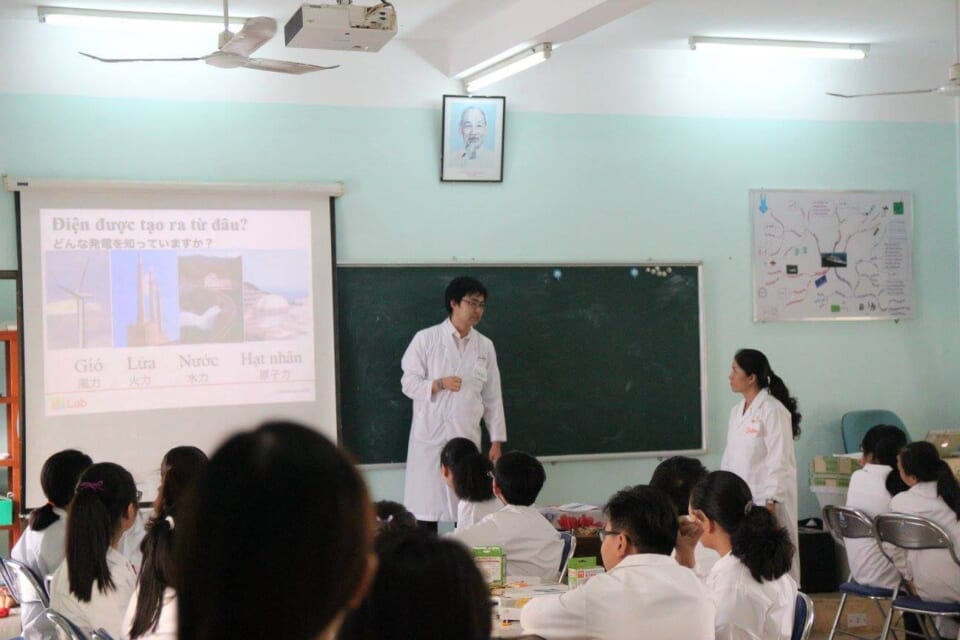
Photo by Manh Phan
Investigating Water and Exploring Ways to Make It Clean
Date: December 2, 2016
Duration: Two hours
Participants: 20 Grade 8 students
Tap water in Vietnam is generally not consumed without treatment, and many households rely on bottled drinking water. Water pollution, including incidents involving industrial wastewater and mass fish deaths, was also a significant social concern.
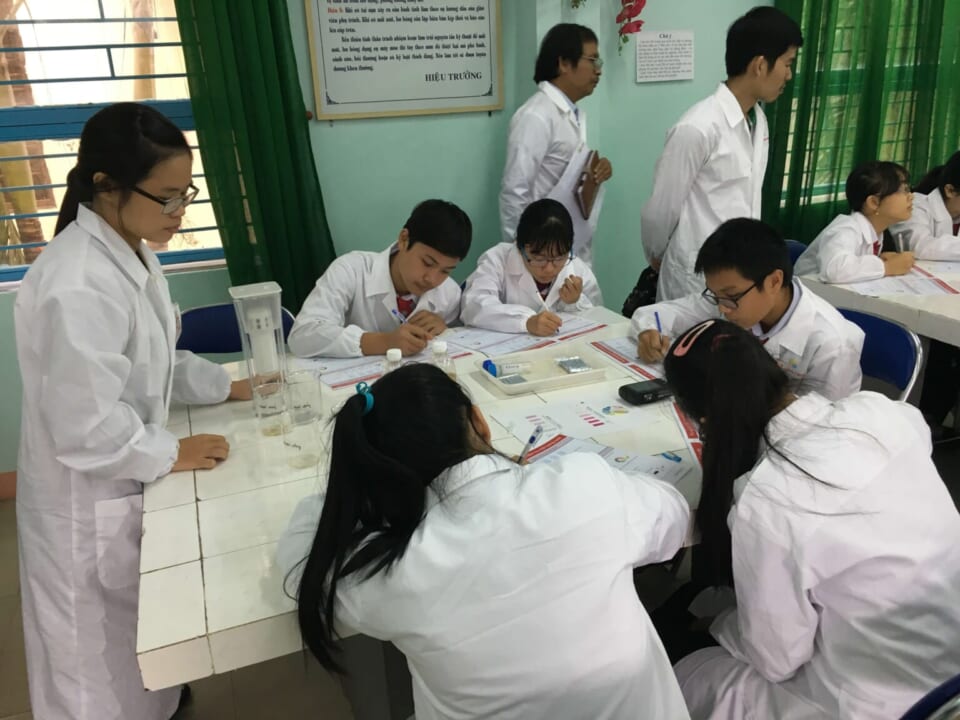
To help students understand these challenges, the team developed a research-based program in which students examined water collected from rivers in Da Nang and discussed possible ways to improve water quality.
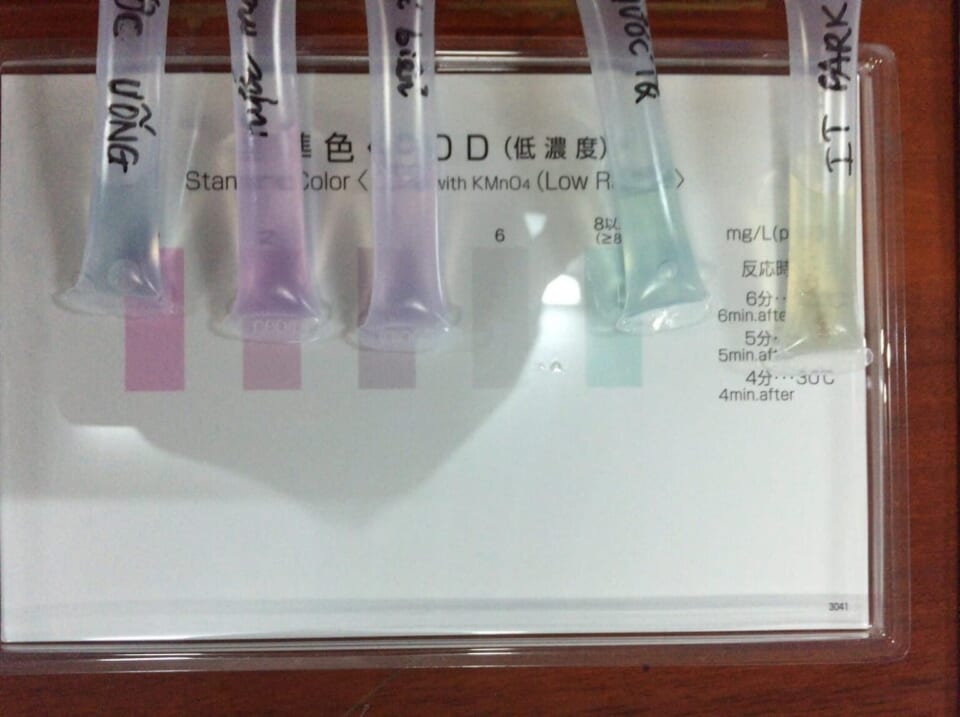
The students explored several water treatment and analysis technologies from Japan. These included an experiment in which muddy water was coagulated using polyaluminum chloride and a shell-derived peptide, water-quality testing using simple colorimetric test kits, and water purification using hollow-fiber membranes.
Harnessing the Power of Microorganisms
Date: December 2, 2016
Duration: Two hours
Participants: 20 Grade 7 students
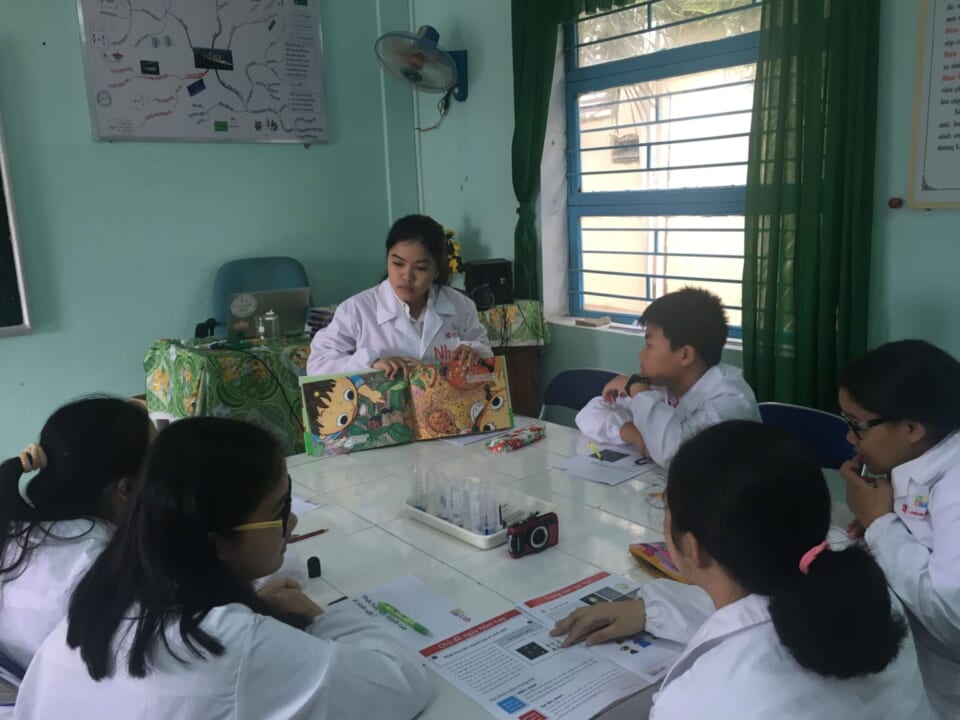
Using yeast as an example, the students investigated which ingredients provided microorganisms with the most effective source of nutrients.
The workshop began with a reading of Let Me Tell You Something Good, a picture book developed in Japan in collaboration with experts from the Japanese Society of Microbial Ecology. This was followed by observations using a microscope camera, allowing the students to experience the otherwise invisible world of microorganisms.
The students then compared how yeast responded to different foods by measuring the amount of carbon dioxide produced. At the end of the workshop, everyone discussed how microorganisms could be used to benefit society in the future.
Workshops at Ngo Si Lien Primary School
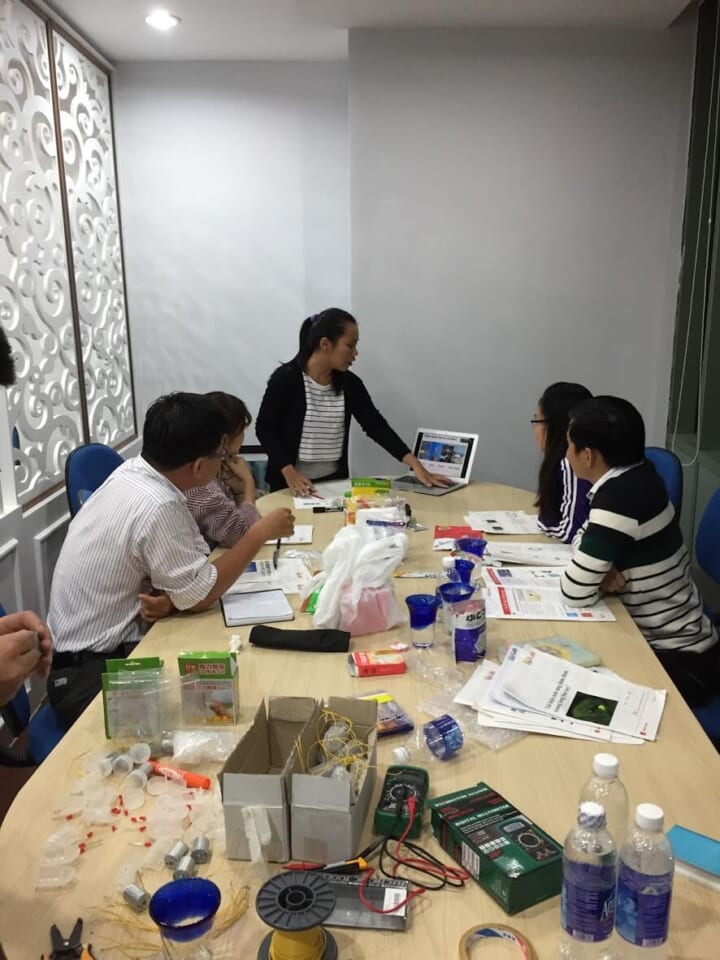
For the primary school workshops, Vietnamese university students were trained in advance and delivered the activities in Vietnamese. This was the first time the program had been conducted using this approach.
The instructors reviewed their presentations with the Leave a Nest team via Skype and met again on the day before the workshops. Together, they discussed and refined the activities, focusing on how to make the experiments as exciting and engaging as possible for the children.
Holding the Light of a Firefly in Your Hands
Date: December 1, 2016
Duration: One hour
Participants: 20 Grade 5 students
After learning about the life and behavior of fireflies, the students explored the scientific principles behind their light through experiments and animation. The workshop was designed to make the mechanisms of bioluminescence enjoyable and accessible to primary school students.
Building a Wind-Powered Generator
Date: December 1, 2016
Duration: One hour
Participants: 20 Grade 4 students
Using plastic bottles, the students developed their own original wind-powered generators. They experimented with the length, shape, and number of blades and competed to see whose design could generate the highest voltage.
Through repeated testing and improvement, they experienced the excitement of engineering and product development.
Workshops at Vietnam–Japan Kindergarten
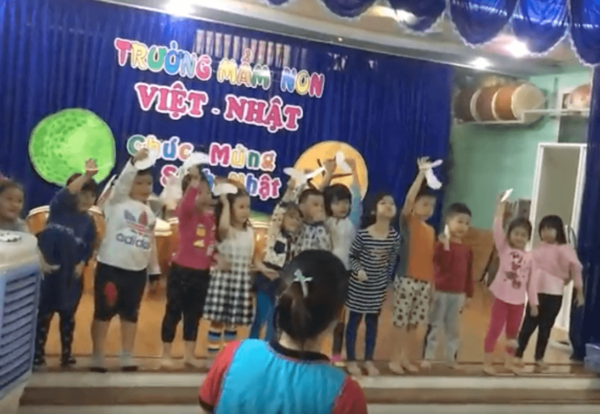
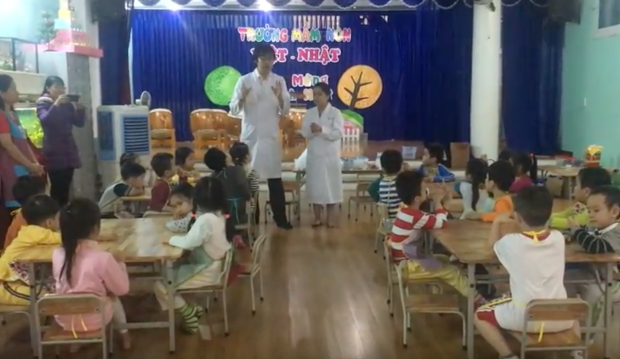
At the kindergarten, the team conducted hands-on science workshops designed to nurture a scientific mindset.
Rather than focusing on detailed scientific theories, the activities showed the children that familiar, everyday materials could be used to create surprising and enjoyable phenomena—and that exploring the world through science could make it even more interesting.
Let’s Make a Flying Seed Glider!
Date: December 3, 2016
Duration: 30 minutes
Participants: 24 children in their final year of kindergarten
The children used Leave a Nest’s School Kit No. 3, Let’s Make a Flying Seed! Exploring the Shapes of Seeds, to build gliders inspired by the winged seeds of Alsomitra macrocarpa.
They carefully cut out the wings, adjusted each glider’s center of gravity, and tested their designs until they could make them fly successfully.
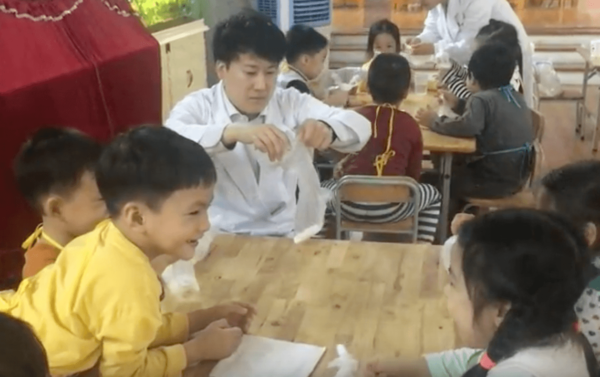
The Hot-and-Cold Experiment
Date: December 3, 2016
Duration: 30 minutes
Participants: 24 children in their final year of kindergarten
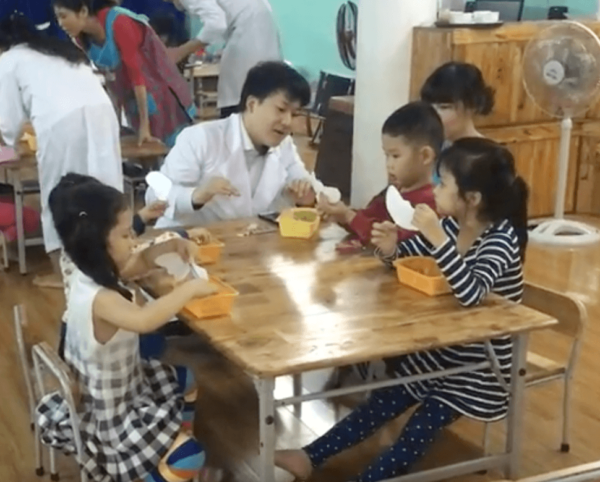
When baking soda and citric acid are mixed with water, the reaction produces bubbles of carbon dioxide while making the mixture feel colder. Similar reactions are used in products such as bath bombs and fizzy confectionery.
Using simple materials, the children explored surprising experiments involving changes in temperature, including reactions that made things feel either warmer or colder.
Future Prospects
In addition to conducting the pilot workshops, the project team interviewed Japanese and Vietnamese companies, universities, and other organizations to explore how science education could be expanded sustainably across Vietnam.
Building on the findings of this project and the educational expertise developed in Japan, Leave a Nest has continued creating locally rooted initiatives in Vietnam. Through these efforts, we aim to nurture the next generation across Asia and contribute to the advancement of science and technology.
If you are interested in these projects and platform, feel free to contact to us!
>> Dr. Takumi Jindo, Managing Director, Leave a Nest Vietnam Co., Ltd.
[email protected] / +813-5227-4198