
From Sangakukan to Koku Renkei: Future Food & Fuel Summit Builds Bridges for the Next 60 Years of Singapore–Japan Collaboration
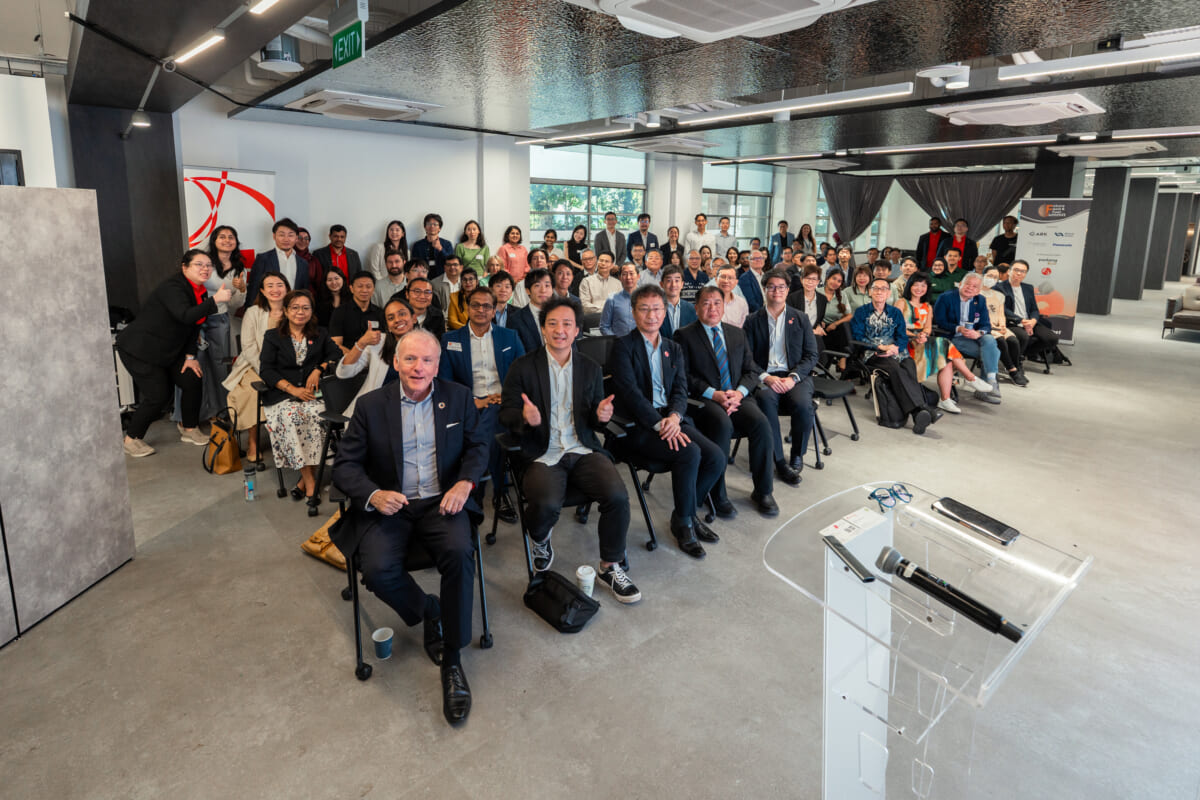
Singapore, 9 October 2026 — As Singapore and Japan commemorate 60 years of diplomatic relations, Leave a Nest Singapore, in collaboration with the Embassy of Japan in Singapore, convened the Future Food & Fuel Summit (FFFS) 2026 on 2 October 2026 at Padang & Co, Singapore.
Bringing together a curated community of approximately 100 participants from government, industry, academia and the startup ecosystem, the invitation-only summit explored how Singapore and Japan could combine their respective strengths to address shared challenges in food security, energy resilience and sustainable development.
The program featured opening addresses by distinguished representatives from Singapore and Japan, four thematic panel discussions, technology showcases, a Singapore–Japan Strategic Roundtable and a concluding Memorandum of Understanding (MOU) ceremony.
More than a platform for discussion, FFFS 2026 was designed to create meaningful connections between stakeholders with complementary expertise, providing opportunities to move from conversations towards technology validation, deployment and long-term collaboration.
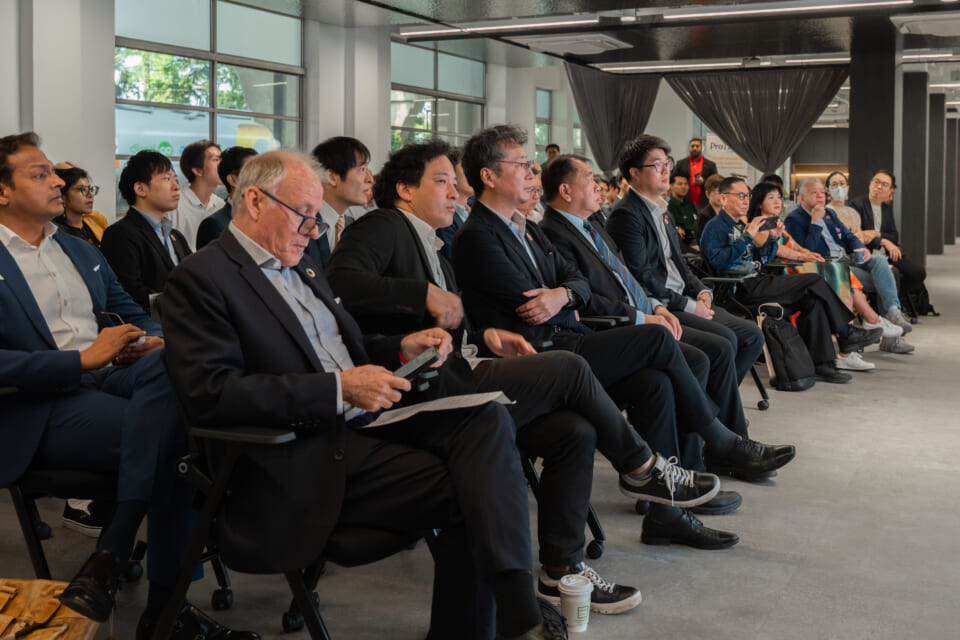
From Sangakukan to Koku Renkei: Expanding the Boundaries of Collaboration
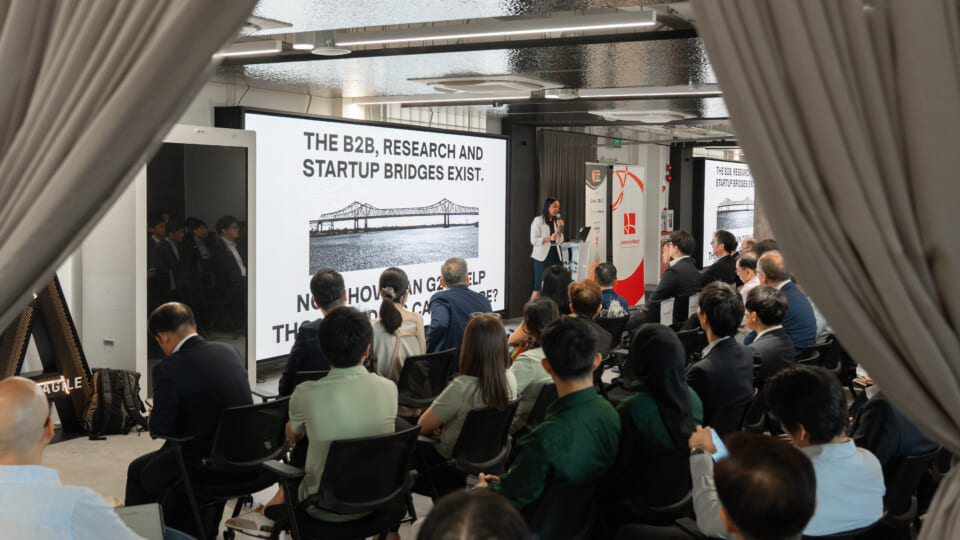
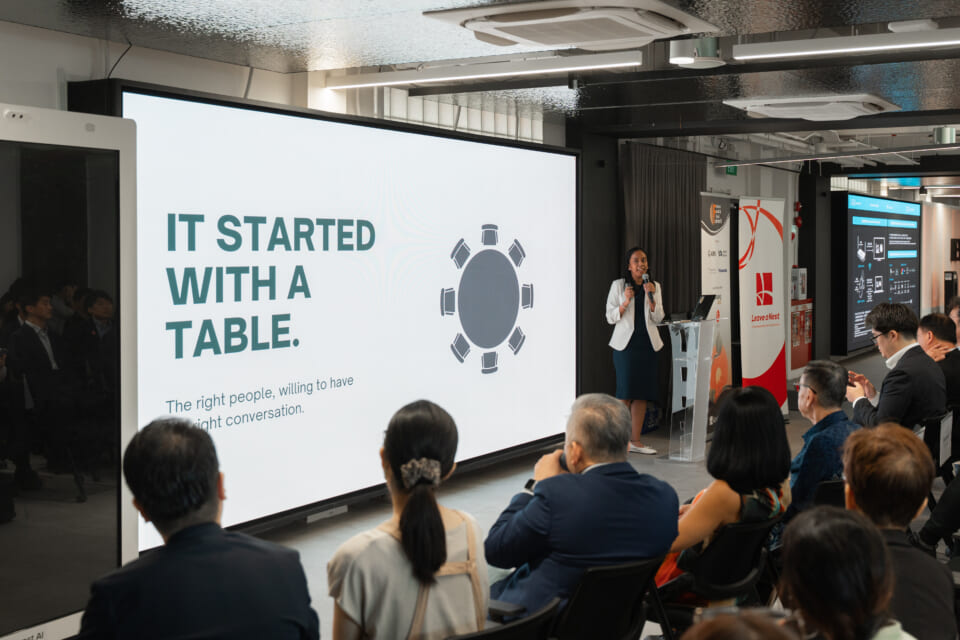
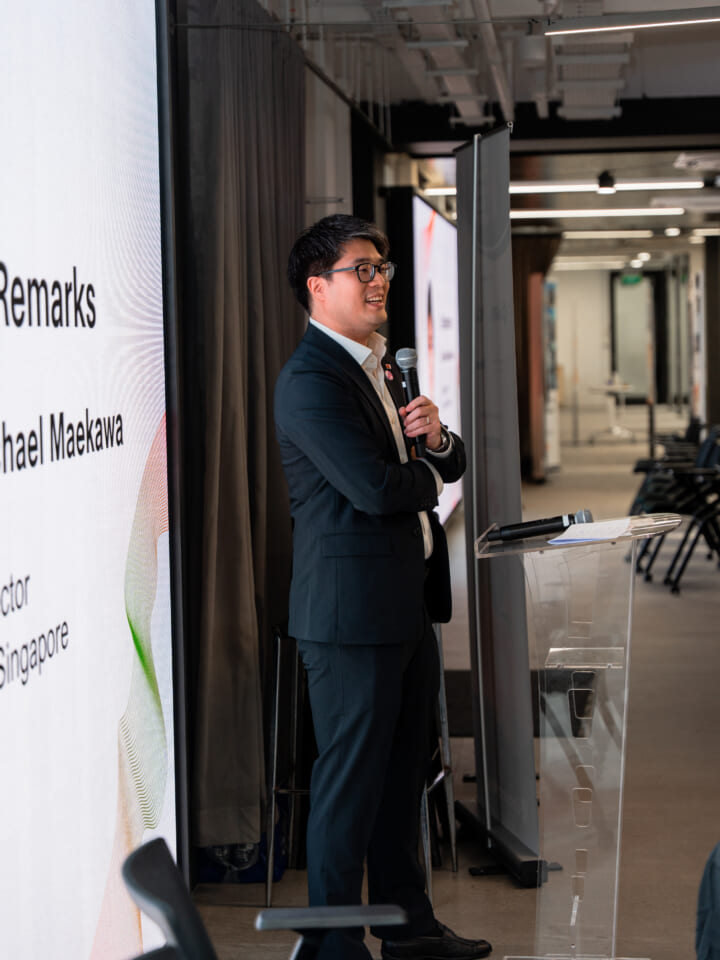
Opening the summit, Ms Priyavadana Meyyappan, Project Leader of FFFS 2026 from Leave a Nest Singapore, introduced the philosophy underpinning the event: expanding collaboration beyond sectors and institutions towards partnerships between countries.
Building upon Japan’s established concept of sangakukan renkei (industry-academia-government collaboration), which brings together industry, academia and government, she introduced the idea of koku renkei — country-to-country collaboration.
While cooperation among researchers, corporations, startups and governments is essential for advancing innovation, challenges such as food security and energy resilience increasingly extend beyond national boundaries. Addressing them requires countries to connect their innovation ecosystems, share complementary capabilities and create opportunities for technologies to be tested, deployed and scaled.
Singapore and Japan offer complementary strengths in this regard. Singapore’s highly connected innovation ecosystem and strategic position within Southeast Asia create opportunities for technology validation and regional market expansion, while Japan contributes deep scientific expertise, advanced technologies and industrial capabilities.
The opening remarks also highlighted the intentional curation behind FFFS 2026. Rather than focusing solely on bringing together a large number of participants, the summit sought to connect stakeholders who could contribute different perspectives and capabilities towards addressing shared challenges.
As Singapore and Japan look towards the next 60 years of diplomatic relations, the message was clear: international collaboration should move beyond exchanging knowledge towards building solutions together.
Distinguished Guests Highlight the Importance of Startups and Bilateral Cooperation
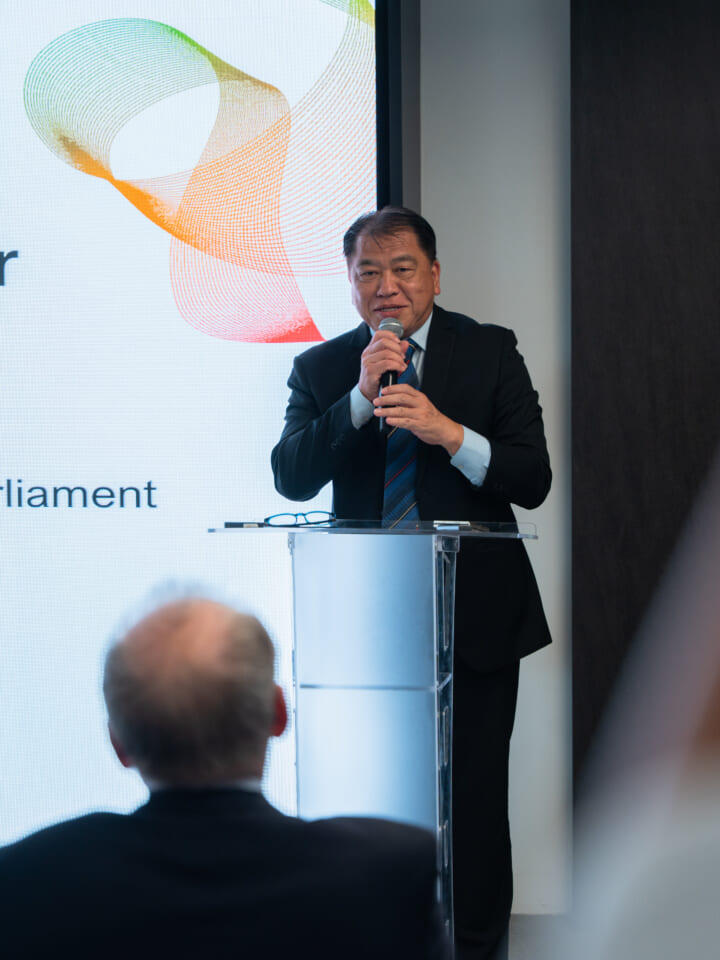
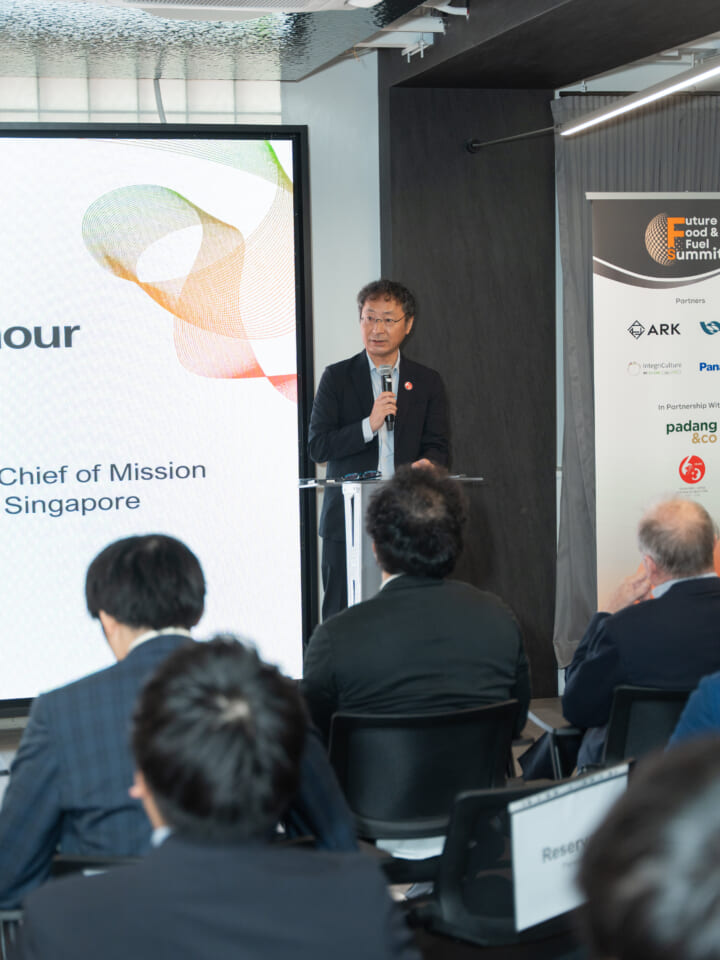
The opening ceremony was graced by Dr Neo Kok Beng, Nominated Member of Parliament of Singapore, and Mr Toru Hotta, Minister and Deputy Chief of Mission, Embassy of Japan in Singapore.
Both distinguished guests highlighted the importance of startups, entrepreneurship and international cooperation in addressing emerging societal and economic challenges.
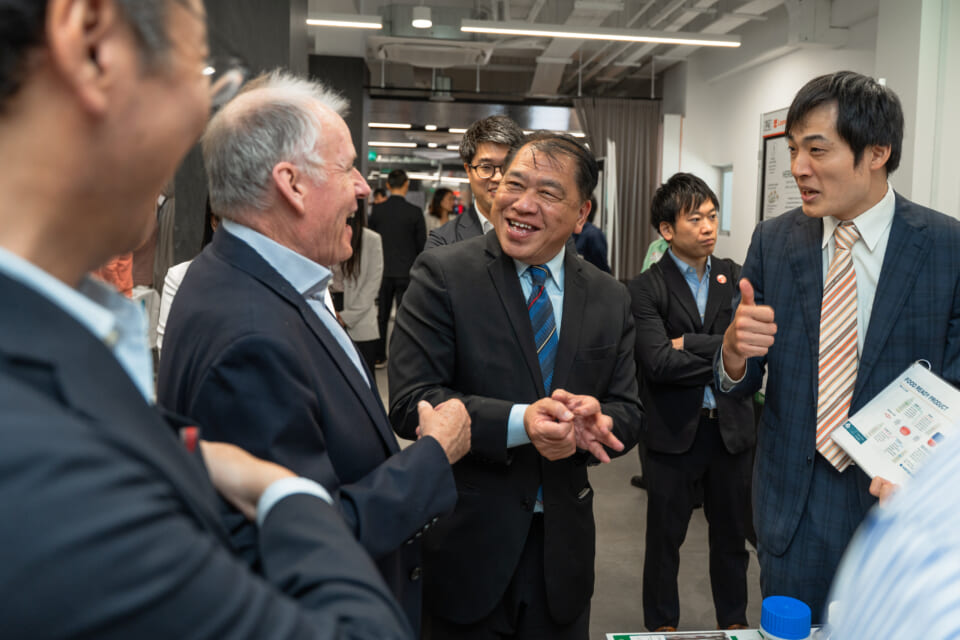
Dr Neo emphasised the role of startups in developing innovative solutions and strengthening the wider innovation ecosystem. Having explored the technology showcase, he also expressed interest in several of the technologies presented by participating startups, highlighting the value of connecting emerging companies with industry and government stakeholders.
Mr Hotta reflected on the evolving global landscape, particularly the energy challenges and international uncertainties affecting countries around the world. His remarks reinforced the importance of considering these developments when planning for the future and highlighted the value of Singapore and Japan working hand in hand to strengthen resilience.
Together, their perspectives established an important foundation for the summit: technological progress must be supported by international partnerships, strong innovation ecosystems and opportunities for startups to contribute meaningfully to society.
Ecosystem Partners Working Hand in Hand
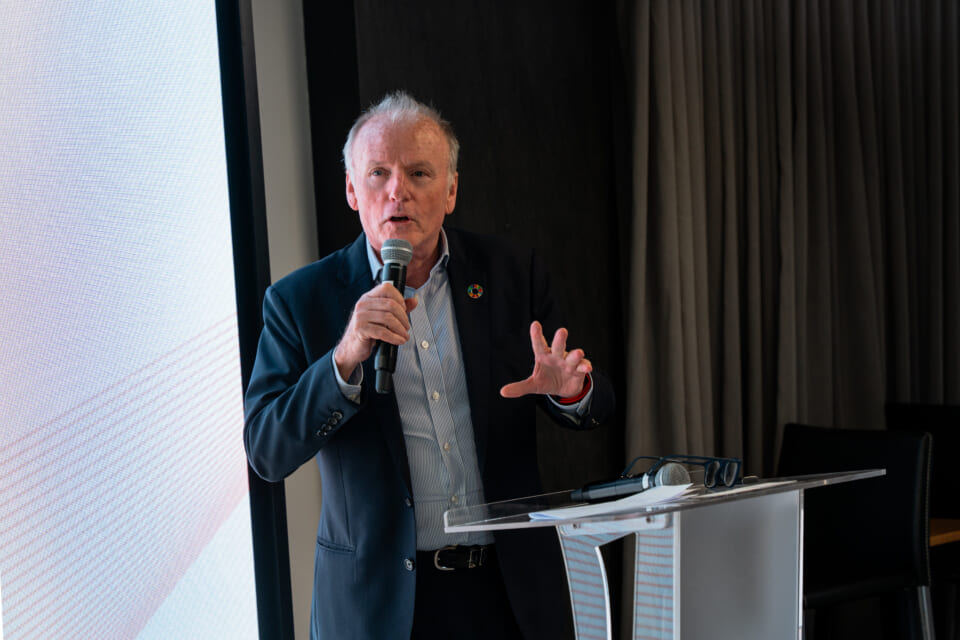
Following the opening ceremony, Adam, representing Padang & Co as the summit’s venue and ecosystem partner, shared perspectives on the importance of ecosystem organisations working together to support innovation.
His address highlighted how different ecosystem players can contribute complementary capabilities, from identifying industry challenges and connecting relevant technologies to facilitating pilot projects and creating opportunities for market expansion.
He also introduced the proposed Japan–ASEAN Refrigeration and Cooling Challenge, illustrating how collaboration between ecosystem partners could address practical challenges in refrigeration, cooling and food supply chains across Southeast Asia.
The presentation reinforced a central principle of FFFS 2026: no single organisation can independently provide everything needed to bring innovation into society. By combining networks, expertise and resources, ecosystem partners can create stronger pathways for startups and emerging technologies.
This spirit of collaboration was carried throughout the summit and reflected in the concluding MOU ceremony between Leave a Nest Singapore and Padang & Co.
Four Panels, One Shared Vision for the Future of Food and Energy
At the heart of FFFS 2026 were four panel discussions exploring the interconnected challenges of food and energy resilience.
Each session brought together perspectives from research, industry and entrepreneurship, encouraging conversations that moved beyond individual technologies towards commercialisation, infrastructure, consumer adoption and international collaboration.
Future Food Panel 1: Scaling Future Food Systems
The first panel explored how emerging food technologies can move beyond research and development towards commercially viable and scalable solutions.
Featuring perspectives from IntegriCulture, Cell AgriTech and At-Sunrice GlobalChef Academy, the discussion connected cellular agriculture, manufacturing capabilities and culinary innovation.
Speakers highlighted that successful food innovation requires not only technological readiness, but also cost competitiveness, consumer acceptance and collaboration across the food value chain. The inclusion of culinary expertise reinforced the importance of ensuring that future food innovations ultimately translate into products that consumers can appreciate and adopt.
Read the full session article: Scaling Future Food Systems
Future Energy Panel 1: Next Generation Energy
The second panel examined emerging energy technologies and the pathways required to support their real-world adoption.
The discussion explored the potential of next-generation energy solutions, including nuclear fusion and alternative energy technologies, while addressing the importance of infrastructure, financing and industry collaboration.
Speakers emphasised that technological development must be accompanied by practical deployment strategies and partnerships capable of supporting the transition towards more resilient energy systems.
Read the full session article: Next Generation Energy
Future Energy Panel 2: Unlocking the Full Potential of Renewable Energy
The third panel focused on the integration of renewable energy technologies into the built environment and wider energy ecosystem.
Bringing together perspectives from Panasonic Holdings Corporation, the Singapore Green Building Council and CapitaLand, the discussion examined opportunities for building-integrated photovoltaics, sustainable infrastructure and the practical deployment of renewable energy solutions.
The conversation highlighted how collaboration between Japanese technology providers and Singapore’s built-environment stakeholders could create opportunities for technology validation and deployment.
Read the full session article: Unlocking the Full Potential of Renewable Energy
Future Food Panel 2: Future Protein and Food Innovation
The fourth panel returned to the future of food, exploring alternative proteins, sustainable food production and the commercial pathways required to bring emerging innovations to consumers.
With perspectives from ARK, Everdeen Global and the Bezos Centre for Sustainable Protein at the National University of Singapore, the discussion highlighted the importance of aligning scientific innovation with regional market needs, consumer preferences and industry capabilities.
The session reinforced that food innovation must extend beyond technological development to consider how solutions can be produced, distributed and adopted within real markets.
Read the full session article: Future Protein and Food Innovation
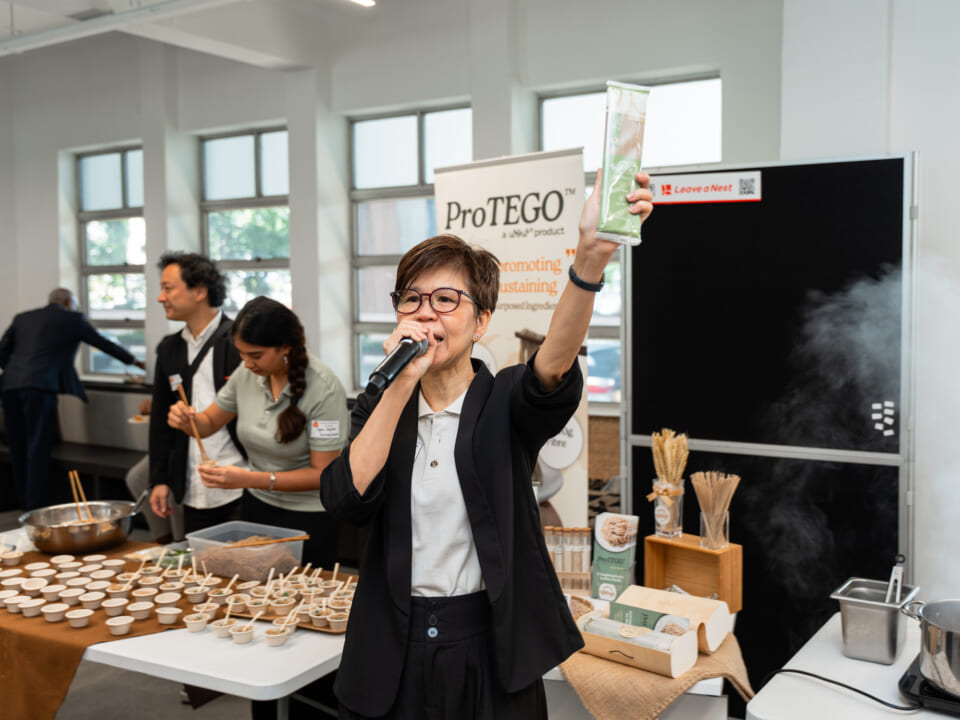
Bringing Food Innovation to Life: ProTEGO® Cooking Demonstration
Beyond the panel discussions, participants had the opportunity to engage with emerging technologies through the summit’s technology showcase and a lunchtime cooking demonstration.
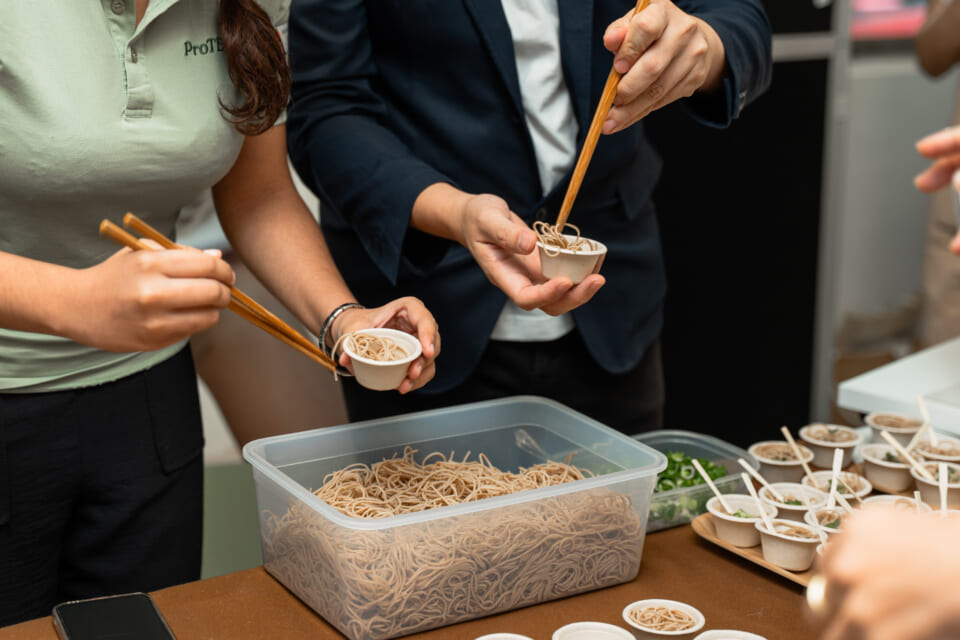
Organised by Kosmode Health in collaboration with Veg-An, the ProTEGO® Cooking Demonstration featured Chef Tomoe from Veg-An, who showcased the versatility of Kosmode Health’s ProTEGO® ingredient through two dishes: a Hot Soba Bowl and a Mini Salad Bowl.
The demonstration offered participants a tangible experience of how food innovation can be translated into everyday culinary applications. By bringing together food technology and culinary expertise, the session reinforced the importance of moving innovation beyond laboratories and into practical, appealing food experiences that consumers can enjoy.

Feeding and Empowering the Future: Singapore–Japan Strategic Roundtable
The four panel discussions culminated in a semi-closed Singapore–Japan Strategic Roundtable themed “Feeding and Empowering the Future.”
Co-moderated by Mr Yukihiro Maru, Group CEO of Leave a Nest, and Ms Priyavadana Meyyappan, the roundtable brought together selected leaders from the food, energy, infrastructure, finance and innovation ecosystems.
Building upon the conversations throughout the day, participants explored the interconnected nature of food and energy security, particularly in the context of land constraints, energy-intensive food production, supply-chain uncertainties and the need for more resilient systems.
The dialogue also addressed challenges within the startup ecosystem, including access to early-stage financing, mentorship, industry networks and opportunities for technology validation.
Participants discussed the importance of creating environments where startups can experiment, learn and collaborate with established industry players. The conversation further highlighted opportunities for Singapore and Japan to connect their complementary capabilities, with Singapore serving as a potential gateway for Japanese technologies seeking validation and expansion across Southeast Asia.
The roundtable reinforced a common message emerging from the summit: addressing complex societal challenges requires not only technological breakthroughs, but also the willingness of different stakeholders to work together towards practical solutions.
Read the full session article: Feeding and Empowering the Future — Singapore–Japan Strategic Roundtable
Turning Connections into Action: Singapore–Japan Ecosystem Collaboration
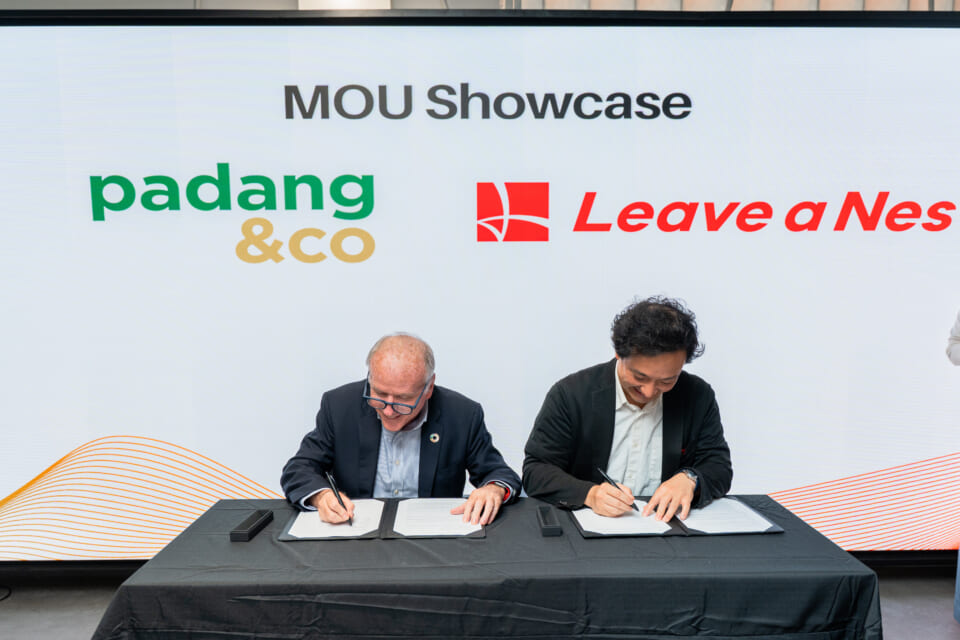
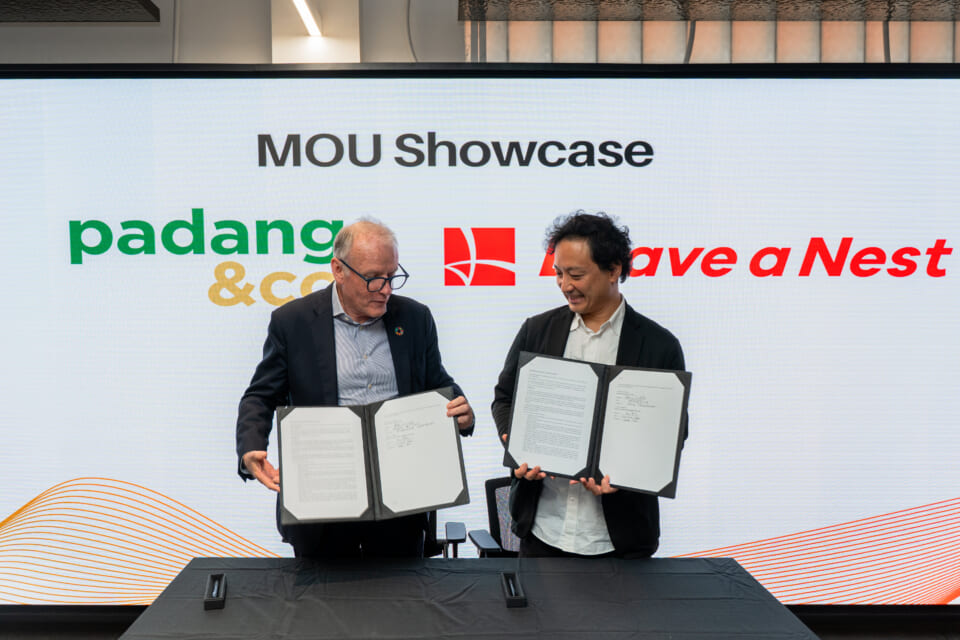
The summit concluded with an MOU ceremony between Leave a Nest Singapore and Padang & Co, reinforcing the importance of ecosystem partners working hand in hand to translate innovation into real-world applications.
The collaboration aims to advance the Japan–ASEAN Refrigeration and Cooling Challenge, connecting Japanese technologies and expertise with refrigeration and cooling challenges across Singapore and Southeast Asia.
Through industry partnerships, technology validation and potential pilot projects, the initiative seeks to strengthen cold-chain resilience, reduce food loss and support more sustainable food supply chains.
The MOU reflected the summit’s opening philosophy of koku renkei, demonstrating how collaboration across countries can move beyond dialogue towards practical partnerships addressing shared challenges.
Building the Next 60 Years Together
As Singapore and Japan commemorate 60 years of diplomatic relations, FFFS 2026 offered an opportunity to look beyond the achievements of the past and consider how both countries can contribute to a more resilient and sustainable future.
From the opening call for koku renkei to the exchange of perspectives across four panels, the strategic roundtable and the concluding MOU ceremony, the summit reflected a shared ambition to connect scientific knowledge, technological capabilities and ecosystem networks across borders.
The challenges of food security and energy resilience cannot be addressed by one country, industry or institution alone. Progress will depend on stakeholders sharing expertise, exploring new approaches and developing solutions together.
FFFS 2026 marked another step towards building the next chapter of Singapore–Japan collaboration — one grounded in shared challenges, complementary strengths and the commitment to turn ideas into action.
Leave a Nest is a knowledge-based platform company connecting researchers, startups, corporations, educational institutions and ecosystem partners to advance science and technology for global happiness.
Through initiatives such as the Future Food & Fuel Summit, Leave a Nest seeks to create opportunities for interdisciplinary collaboration, technology development and international partnerships.
Contact
Leave a Nest Singapore Pte. Ltd.
Future Food & Fuel Summit 2026
Project Leader: Priyavadana Meyyappan