
FFFS Future Food Panel 2 Release: Shaping The Next Food Economy
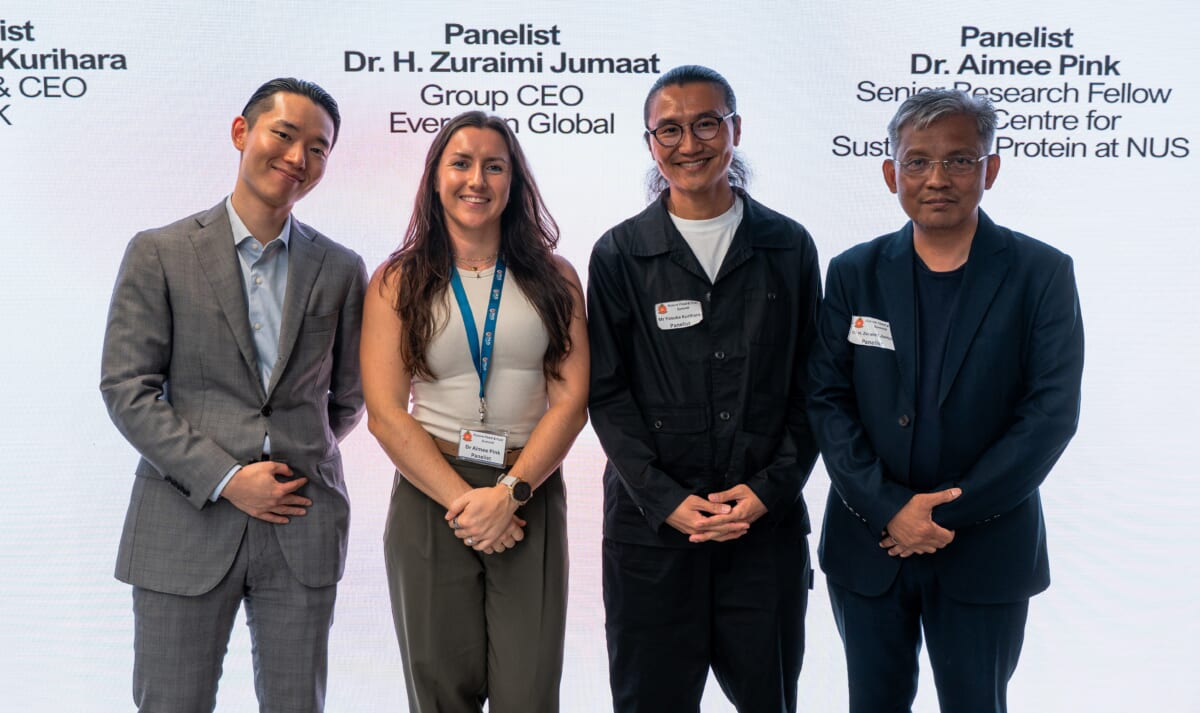
Future Food Panel 2 at the Future Food and Fuel Summit (FFFS) 2026 brought together experts from across the food innovation ecosystem to explore a key question: how can promising food technologies become scalable and commercially viable businesses in and through Southeast Asia?
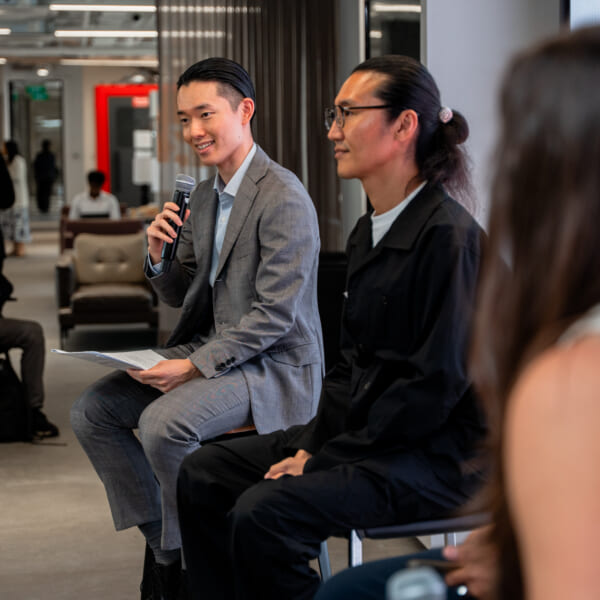
Moderated by Koki Mandai of Leave a Nest Singapore, the session featured Mr. Yosuke Kurihara of ARK, Dr. H. Zuraimi Jumaat of Everdeen, and Dr. Aimee Pink of the Bezos Centre for Sustainable Protein at the National University of Singapore. Each speaker contributed a different perspective on the pathway from innovation to market.
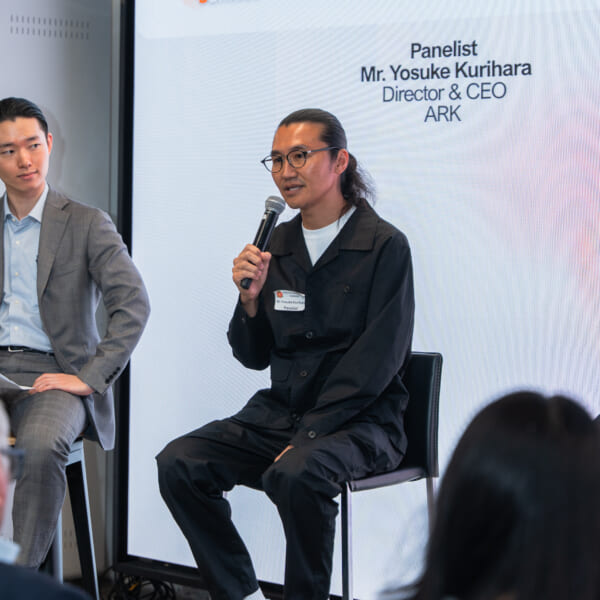
Mr. Kurihara shared insights from ARK’s land-based aquaculture activities, discussing the challenges of moving from technological validation to commercial production. Specifically, he emphasised the importance of taking the cost and unit economics into account when moving into the market, as it directly impacts the demand for the product/services. This point of view is especially relevant to technology-backed startups, as they tend to focus on their technology and overlook the costs incurred until it reaches the end consumers.
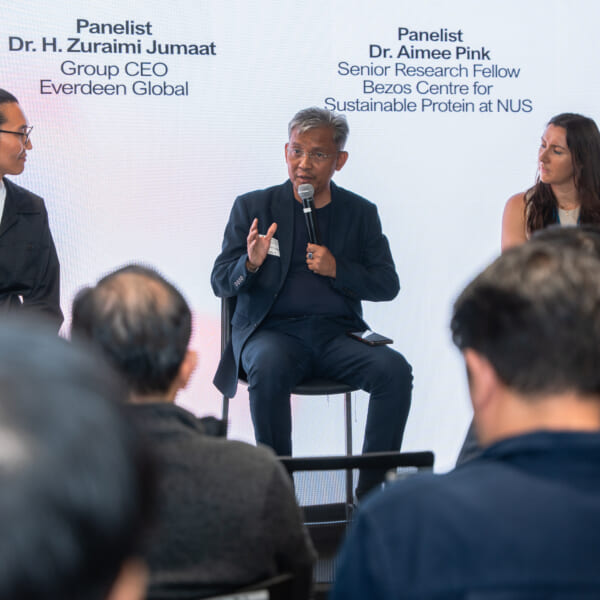
Dr. Zuraimi focused on market access in Southeast Asia, highlighting the importance of Halal consideration, distribution networks, and consumer trust. The discussion considered how Halal requirements can serve not only as a compliance consideration, but also as a potential gateway to wider regional and Muslim consumer markets. From the perspective of a supply chain specialist, he emphasised the economic impact of the Halal market as a potential revenue stream that companies can newly tap into.
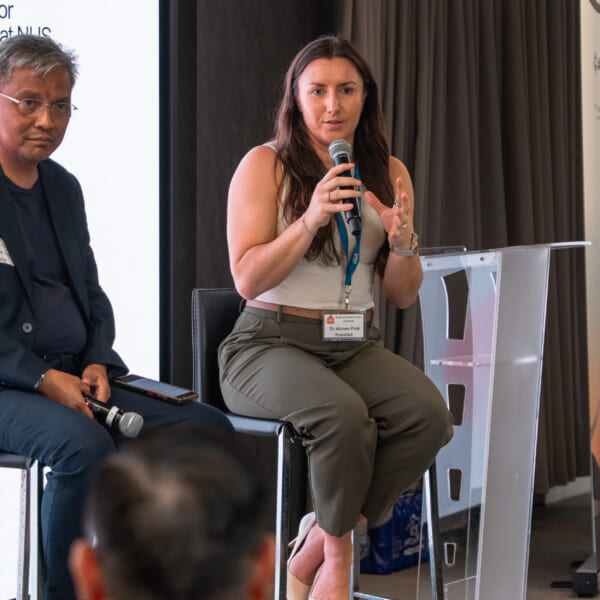
Dr. Pink provided the consumer perspective as a psychologist, examining how factors such as taste, price, familiarity, perceived health benefits, and sustainability influence the adoption of alternative/sustainable food solutions. One of the interesting pointers brought up for companies trying to enter SEA was that even if the region has a strong consumer base in certain food products (e.g., plant-based protein), it also means that there already exists a viable “alternative” (which, for the region, is part of the mainstream); the consumer base does not guarantee a successful entry into the market.
The panel further discussed where the industry should focus for people to accept new food technology and solutions in the market. The points brought up not only included the perspectives from market economics, but also the education and nurturing of people’s perspective on food. As the way people perceive directly influences demand, and background knowledge on food is what shapes consumer behaviour on concepts such as sustainability, the panel agreed on the importance of focusing on the market for economic success while making efforts to educate consumers about the solutions.
The session concluded that strong technology alone is not enough. Successful food innovation requires a combination of viable market-entry strategies, trusted supply chains, strong partnerships, and solutions that consumers are ultimately willing to adopt.